Dr. Ruther & Mr. Hoge's AP World
History
Dr. Ruther & Mr. Hoge's AP World
History 
Dr. Ruther & Mr. Hoge's AP World
History



|
Announcements:
ALWAYS CLICK REFRESH to make sure the website you are looking at is up to date
Visit Fernbank to learn about the Silk Road!!
Follow our summer trip on Twitter or like it on facebook.
Summer Reading
A History of the World in Six Glasses
|
AP Curriculum Guide |
| Links and Resources | |
| Class Calendar | |
| Other AP Teachers | |
| Rubric's for Essays | |
| How to, on P.O.V. | |
| Travel: AP World Field Studies | |
| AP World History Source Book | |
| Centennial High School | |
| AP Material Archive | |
| Contact Dr. Ruther | |
| Contact Mr. Hoge | |
| Hoge's AP US History | |
| Practice Test Questions password is knights |
Period to 600 BCE - Period from 600 BCE to 600 CE - Period from 600 to 1450 - Period from 1450 to 1750 - Period from 1750 to 1900 - Period from 1900 to today
Day: 10 - 20 - 30 - 40 - 50 - 60 - Days 65 to 89 - Days 90 to 133 - Days 134 to 174
Your Guide to Ruther/Hoge AP World History
NOTE: disregard all assignment instructions in web lessons
|
Historical Thinking Skill |
3. Comparison and Contextualization: students should be able to compare related historical developments and processes across place…and in different societies… |
|
|
Day: |
1 |
Dates: |
n/a |
K.C. #: |
n/a |
|
|||||||||||||||||||
|
Key Concept: |
Mr. Hoge’s class will lead to success if students do everything they are asked to the best of their ability and maintain a positive attitude. |
|
|||||||||||||||||||||||
|
Our Topic: |
Former student G.A. & A.B. |
Required Pre-Reading: |
History of the World in Six Glasses, by Tom Standage |
|
|||||||||||||||||||||
|
Essential Question(s): |
What is required for success in AP World History? |
|
|||||||||||||||||||||||
|
Material to Master: |
· Course Guide · Website · Expectations |
Documents to be utilized: |
· Course Guide · Syllabus · http://www.whsliberalarts.org/apworldhistory.htm
|
|
|||||||||||||||||||||
|
In Class: |
Discuss organization of class, expectations, and syllabus |
Homework: |
Read Bulliet: pages xxiv-xxv, “Organization” only. Rewrite this section very simple language. You must include all of the information provided in the passage but your version should be written so an 8 year old could totally understand. |
|
|||||||||||||||||||||
|
NOTE: disregard all assignment instructions in web lessons |
|
||||||||||||||||||||||||
|
Day: |
2 |
Dates: |
n/a |
K.C. #: |
n/a |
|
|||||||||||||||||||
|
Key Concept: |
Four thousand plus years of history can be studied most effectively by organizing the content in to themes that span space and time. |
|
|||||||||||||||||||||||
|
Our Topic: |
Our five AP Themes |
Required Pre-Reading: |
Bulliet: pages xxiv-xxv |
|
|||||||||||||||||||||
|
Essential Question(s): |
What are the five AP themes and how do we use them in this class. |
|
|||||||||||||||||||||||
|
Material to Master: |
· Themes 1-5 |
Documents to be utilized: |
· AP Curriculum Framework |
|
|||||||||||||||||||||
|
In Class: |
Discussion of themes with examples from the world today. |
Homework: |
Read Bulliet pages: |
4-8 |
|
||||||||||||||||||||
|
&/or: |
http://whshumanitiescohort.org/WebLessonsday3_files/frame.htm Sides 12-19 ONLY |
|
|||||||||||||||||||||||
|
& |
Prepare for Geography Quiz on Friday click here |
|
|||||||||||||||||||||||
|
Flashcards: |
· Migration from Africa · Paleolithic Period · Hunter-forager · Nomadic |
|
|||||||||||||||||||||||
|
Turn in day after tomorrow: |
· Domestication Map Directions for Agricultural Revolution Map The Map |
|
|||||||||||||||||||||||
|
Technological and Environmental Transformation AKA: Ancient |
|
||||||||||||||||||||||||
|
NOTE: disregard all assignment instructions in web lessons |
|
||||||||||||||||||||||||
|
Day: |
3 |
Dates: |
50,000 to 10,000 years ago |
K.C. #: |
1.1.I.A-C |
|
|||||||||||||||||||
|
Key Concept: |
Archeological evidence indicates that during the Paleolithic era, hunting-foraging bands of humans gradually migrated from origins in East Africa to Eurasia, Australia, and America, adapting their technology and culture to new climates. |
|
|||||||||||||||||||||||
|
Our Topic: |
Lascaux, France |
Required Pre-Reading: |
Bulliet: |
4-8 or web lesson |
|
||||||||||||||||||||
|
Essential Question(s): |
Why are humans found in almost every region of the world? |
|
|||||||||||||||||||||||
|
Material to Master: |
· Migration from Africa · Typical lifestyle of a Paleolithic Human |
Documents to be utilized: |
|
||||||||||||||||||||||
|
In Class: |
Analyzing visual documents using W6C |
Homework: |
Read Bulliet pages: |
9-16, 102-103 optional video |
|
||||||||||||||||||||
|
&/or: |
http://whshumanitiescohort.org/WebLessonsday3_files/frame.htm Sides 20-27ONLY |
|
|||||||||||||||||||||||
|
& |
Listen: Click Here |
|
|||||||||||||||||||||||
|
Flashcards: |
· Irrigation (include examples) · Domestication · Patriarchy · Pastoralism (include where) · Agriculturalists (include where) · Specialization of Labor (include why) · Technological innovations of the Neolithic Era (5 of them) · Social Hierarchy |
|
|||||||||||||||||||||||
|
Turn in next class: |
· Agricultural Revolution Map |
|
|||||||||||||||||||||||
|
NOTE: disregard all assignment instructions in web lessons |
|
||||||||||||||||||||||||
|
Day: |
4 |
Dates: |
10,000 to 4,000 years ago |
K.C. #: |
1.2.I-II |
|
|||||||||||||||||||
|
Key Concept: |
Around 10,000 years ago the domestication of plants and animals led to new and more complex economic and social systems which transformed human societies. |
|
|||||||||||||||||||||||
|
Our Topic: |
Catal Huyuk |
Required Pre-Reading: |
Bulliet: |
9-16, 102-103 or web lesson |
|
||||||||||||||||||||
|
Essential Question(s): |
What is domestication and how did it change everything? |
|
|||||||||||||||||||||||
|
Material to Master: |
· Differences between Paleolithic and Neolithic Societies · Process and impact of domestication · Difference between Pastoral and Agrarian societies · Key technologies of the Neolithic Age |
Documents to be utilized: |
· Mother Goddess of Catal Huyuk · Mann, Charles C. “On the Americas before Columbus.” History for the Future. Interview with Kevin Brown. Pittsburg, PA: WRTC 88.3. 2010. Radio. |
|
|||||||||||||||||||||
|
In Class: |
Turn in Agricultural Revolution Maps Discussion of readings and Podcast Analyze Mother Goddess Predict: How would a pastoral society represent God |
Homework: |
Read Bulliet pages: |
16-19 optional video |
|
||||||||||||||||||||
|
&/or: |
http://whshumanitiescohort.org/WebLessonsdayfour_files/frame.htm |
|
|||||||||||||||||||||||
|
Flashcards:
|
· River-Valley Civilizations · Locations of first civilizations (6) · City-State · Civilization · Mesopotamia Origins · Babylon · Mesopotamian Government · Epic of Gilgamesh · Code of Hammurabi |
|
|||||||||||||||||||||||
|
Turn in next class: |
· Summer Reading Test & Geography Quiz Tomorrow click here |
|
|||||||||||||||||||||||
|
NOTE: disregard all assignment instructions in web lessons |
|
||||||||||||||||||||||||
|
Day: |
5 |
Dates: |
3500-1500 BCE |
K.C. #: |
1.3.I,II.A,III.A-D,F-H |
|
|||||||||||||||||||
|
Key Concept: |
Core & foundational civilizations developed in a variety of settings where agriculture flourished, here the first states emerged, these states where unified by a common culture. |
|
|||||||||||||||||||||||
|
Our Topic: |
Mesopotamia |
Required Pre-Reading: |
Bulliet: |
16-19 &/or web lesson |
|
||||||||||||||||||||
|
Essential Question(s): |
What where the basic characteristics of early civilizations? |
|
|||||||||||||||||||||||
|
Material to Master: |
· Location of first civilizations · Type of government, its role and power, and the link between religion and power in early civilizations · Factors that allowed them to expand and conquer · Aspects of culture that unite a people with the Epic of Gilgamesh as an example · Social Structure in early civilizations · Trade patterns of the time |
Documents to be utilized: |
|
||||||||||||||||||||||
|
In Class: |
Test on Summer Reading and Geography Quiz
|
Homework: |
Read Bulliet pages: |
19-24, 69-73 |
|
||||||||||||||||||||
|
&/or: |
http://whshumanitiescohort.org/weblessondaythirteen_files/frame.htm slides 1-11 |
|
|||||||||||||||||||||||
|
Flashcards: |
· Iron Weapons · Chariot · Hittites · Mesopotamian Social Class · Mesopotamian Religion |
|
|||||||||||||||||||||||
|
Turn in next class: |
· |
|
|||||||||||||||||||||||
|
NOTE: disregard all assignment instructions in web lessons |
|
||||||||||||||||||||||||
|
Day: |
6 |
Dates: |
3500-1500 BCE |
K.C. #: |
1.3.I,II,III |
|
|||||||||||||||||||
|
Key Concept: |
Core & foundational civilizations developed in a variety of settings where agriculture flourished, here the first states emerged, these states where unified by a common culture. |
|
|||||||||||||||||||||||
|
Our Topic: |
Mesopotamia |
Required Pre-Reading: |
Bulliet: |
19-24, 69-73 &/or web lesson |
|
||||||||||||||||||||
|
Essential Question(s): |
What can we learn about a society from its law code? |
|
|||||||||||||||||||||||
|
Material to Master: |
· States developed law codes that reflected existing hierarchies and facilitated the rule of government |
Documents to be utilized: |
|
||||||||||||||||||||||
|
In Class: |
River Valley 101, common characteristics of Early Civilizations Epic of Gilgamesh discussion
Students read, translate into modern prose, and explain some of the laws in Hammurabi’s Code. Students use this data to construct a basic social hierarchy for Mesopotamia
|
Homework: |
Read Bulliet pages: |
24-31 optional video |
|
||||||||||||||||||||
|
&/or: |
http://whshumanitiescohort.org/weblessondaysix_files/frame.htm |
|
|||||||||||||||||||||||
|
Flashcards: |
· Gift of the Nile aka Miracle of the Nile · Pharaoh (full explanation) · Ma’at · Religion of Pharaonic Egypt · Pyramids · Hieroglyphics · Gender in Egypt · Trade in Pharaonic Egypt (include Nubia) |
|
|||||||||||||||||||||||
|
Turn in next class: |
· |
|
|||||||||||||||||||||||
|
NOTE: disregard all assignment instructions in web lessons |
|
||||||||||||||||||||||||
|
Day: |
7 |
Dates: |
3500-1500 BCE |
K.C. #: |
1.3.I,II,III |
|
|||||||||||||||||||
|
Key Concept: |
Core & foundational civilizations developed in a variety of settings where agriculture flourished, here the first states emerged, these states where unified by a common culture. |
|
|||||||||||||||||||||||
|
Our Topic: |
Egypt |
Required Pre-Reading: |
Bulliet: |
24-31 or web lesson |
|
||||||||||||||||||||
|
Essential Question(s): |
What can we learn about Egyptian society from the documents they left behind? |
|
|||||||||||||||||||||||
|
Material to Master: |
· Cultures have unifying characteristics including architecture, art, record keeping, laws, religion, & literature |
Documents to be utilized: |
· The Egyptian Negative Confession Book of the Dead, Chapter 125 · “Advise for Egyptian Students” in “Readings in World History.” Holt, Rinehart and Winston (1998) · “A Coffin Text” in The Ancient World: Readings in Social and Cultural History (3rd Edition) D. Brendan Nagle & Stanley M. Burstein· Tomb Paintings in Discovering the Global Past: A Look at the Evidence, Volume I: To 1650 Merry E. Wiesner-Hanks, William Bruce Wheeler, Franklin Doeringer, Kenneth R. Curtis· Hymn to the Nile & Hymn to the Pharaoh · “A Scribal Exercise Book” in The Human Record: to 1700 by Alfred J. Andrea & James H. Overfield |
|
|||||||||||||||||||||
|
In Class: |
Jig-saw: students divide into 6 groups, each with a different document from Egypt, they W6C the document, then prepare a report for the class explaining what they learned about life in Ancient Egypt. |
Homework: |
Read Bulliet pages: |
73-76 |
|
||||||||||||||||||||
|
&/or: |
http://whshumanitiescohort.org/weblessondaythirteen_files/frame.htm Slides 11-16 |
|
|||||||||||||||||||||||
|
Flashcards: |
· Hyksos/Hittite Contribution to Egypt & Mesopotamia · Diffusion |
|
|||||||||||||||||||||||
|
Turn in next class: |
· |
|
|||||||||||||||||||||||
|
NOTE: disregard all assignment instructions in web lessons |
|
||||||||||||||||||||||||
|
Day: |
8 |
Dates: |
1700-1100BCE |
K.C. #: |
1.3.I,II,III |
|
|||||||||||||||||||
|
Key Concept: |
The first states emerged within core civilizations. |
|
|||||||||||||||||||||||
|
Our Topic: |
Egypt |
Required Pre-Reading: |
Bulliet: |
73-76 |
|
||||||||||||||||||||
|
Essential Question(s): |
How did interactions between societies lead to development? |
|
|||||||||||||||||||||||
|
Material to Master: |
· Pastoralists were often the developers & disseminators of new weapons and modes of transportation that transformed warfare in agrarian societies |
Documents to be utilized: |
|
||||||||||||||||||||||
|
In Class: |
Discuss image of Hyksos invasion Complete activity from yesterday
|
Homework: |
Read Bulliet pages: |
84-90, 112-116 |
|
||||||||||||||||||||
|
&/or: |
http://whshumanitiescohort.org/weblessondaysixteen_files/frame.htm |
|
|||||||||||||||||||||||
|
Flashcards: |
· Israel · Judaism (include a summary of beliefs) · Monotheism · All names for the founders of Judaism · Hebrew Bible · Jewish Diaspora (what, who caused it (3 groups), & so what · Covenant · Zoroastrianism |
|
|||||||||||||||||||||||
|
Turn in next class: |
· Read Excerpt from Hebrew Bible & answer questions for analysis on pages 88-89. Provide thorough answers that specifically cite information in the document to support your conclusions |
|
|||||||||||||||||||||||
|
NOTE: disregard all assignment instructions in web lessons |
|
||||||||||||||||||||||||
|
Day: |
9 |
Dates: |
2000-500BCE |
K.C. #: |
1.3.III.E & 2.1.I.A |
|
|||||||||||||||||||
|
Key Concept: |
Religion as an element of culture, played significant role in unifying states & had a lasting impact on society. With time, codification and further developments of these religious traditions provided a bond among people and an ethical code to live by. |
|
|||||||||||||||||||||||
|
Our Topic: |
The Hebrews and JUDAISM |
Required Pre-Reading: |
Bulliet: |
84-90, 112-116 or web lesson
|
|
||||||||||||||||||||
|
Essential Question(s): |
How did the religion of each civilization make them unique? |
|
|||||||||||||||||||||||
|
Material to Master: |
· The beliefs to Judaism · Judaism was unique, however if reflected many beliefs the Mesopotamian world from which it emerged. · The Hebrew Bible created an ethical code to live by · Jewish states where conquered and dispersed several times resulting in many Jewish communities around the Mediterranean World. · Zoroastrianism was very similar to Judaism |
Documents to be utilized: |
· Selections from Deuteronomy, Hebrew Bible and Hammurabi's Code
|
|
|||||||||||||||||||||
|
In Class: |
Questions for analysis due Students examine a selection of Deuteronomic Codes and Hammurabi's Code. In groups they will sort them into two categories: “unique to the Hebrews” & “reflects Mesopotamian influence” (i.e. like Hammurabi’s Codes) |
Homework: |
Read Bulliet pages: |
173-178, 180-190 |
|
||||||||||||||||||||
|
&/or: |
http://whshumanitiescohort.org/weblessondaythirtyone_files/frame.htm http://whshumanitiescohort.org/weblessondaythirtytwo_files/frame.htm |
|
|||||||||||||||||||||||
|
Flashcards: |
· Kyber Pass · Vedic Age India · Varna · Caste System · Reincarnation · Rig Veda · Hinduism · Sanskrit · Brahma · Indian Epics · Hindu Temples |
|
|||||||||||||||||||||||
|
Turn in next class: |
· |
|
|||||||||||||||||||||||
|
|
|||||||||||||||||||||||||
|
Day: |
10 |
Dates: |
1500BCE-1025CE |
K.C. #: |
1.3.III.E, 2.1.I.B, 2.1.V.A&B |
|
|||||||||||||||||||
|
Key Concept: |
Religion as an element of culture, played significant role in unifying states & had a lasting impact on society. With time, codification and further developments of these religious traditions provided a bond among people and an ethical code to live by. Artistic expressions associated with each culture, including literature, drama, visual arts, and architecture show distinctive cultural developments |
|
|||||||||||||||||||||||
|
Our Topic: |
Early India |
Required Pre-Reading: |
Bulliet: |
173-178, 180-190 |
|
||||||||||||||||||||
|
Essential Question(s): |
How did the religion of India make the culture of the region unique? |
|
|||||||||||||||||||||||
|
Material to Master: |
· The Vedic Age religion of India evolved into Hinduism which has shaped India’s history · The core beliefs outlined in the Sanskrit scripture formed the basis of the Vedic religion – later known as Hinduism – which contributed to the development of the social & political roles of a caste system and in the importance of multiple manifestations of Brahma to promote teachings about reincarnation · Literature, including Indian Epics like the Ramayana, acquired distinctive forms that influenced artistic development in other areas and in other later times · Distinctive architecture styles, like Hindu temples of the Gupta Dynasty, developed in many regions in this period (600BCE to 600CE). |
Documents to be utilized: |
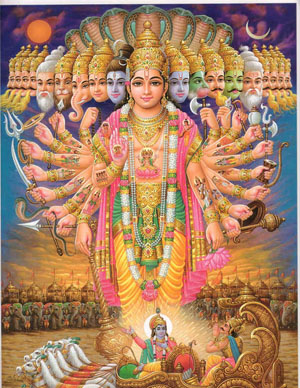
· Modern image of the incarnations of Vishnu · Multiple photographs of Hindu Temples |
|
|||||||||||||||||||||
|
In Class: |
Lecture with graphic organizer on the basic beliefs of Hinduism and the results of these beliefs on culture. |
Homework: |
Read Bulliet pages: |
178-180, 218, 129-135 |
|
||||||||||||||||||||
|
&/or: |
http://whshumanitiescohort.org/weblessondaythirtytwo_files/frame.htm http://whshumanitiescohort.org/weblessondaytwentyfive_files/frame.htm |
|
|||||||||||||||||||||||
|
Flashcards: |
· Buddhism · Bodhisattvas · Enlightenment · Sutras · Mahayana Buddhism · Ashoka · Monasticism · Four Noble Truths · Hellenistic Age |
|
|||||||||||||||||||||||
|
Turn in next class: |
· |
|
|||||||||||||||||||||||
|
Organization and Reorganization of Human Society AKA: Classical Age |
|
||||||||||||||||||||||||
|
NOTE: disregard all assignment instructions in web lessons |
|
||||||||||||||||||||||||
|
Day: |
11 |
Dates: |
700BCE – 600CE |
K.C. #: |
2.1.II.A & 2.1.III |
|
|||||||||||||||||||
|
Key Concept: |
New Belief systems and cultural traditions emerged and spread, often asserting universal truths. Belief systems affected gender roles. |
|
|||||||||||||||||||||||
|
Our Topic: |
Buddhism |
Required Pre-Reading: |
Bulliet: |
178-180, 218, 129-135 or web lesson |
|
||||||||||||||||||||
|
Essential Question(s): |
How did classical age religions like Buddhism both maintain and depart from the beliefs of older religions like Hinduism? How did cross cultural interactions start to be evident in these classical age religions? |
|
|||||||||||||||||||||||
|
Material to Master: |
· The core beliefs about desire, suffering, and the search for enlightenment preached by Buddha and recorded in the sutras and other scriptures were, in part, a reaction to the Vedic beliefs and rituals dominant in South Asia. Buddhism changed over time as it spread throughout Asia – first through the support of the Mauryan Emperor Ashoka, and then through the efforts of missionaries and merchants, and the establishment of educational institutions to promote its core beliefs · The convergence of Greek culture, by way of Alexander the Great, and Buddhist beliefs affected the development of unique sculpture demonstrating that in this period, religion as an aspect of culture started to overlap geographic regions · Buddhist monasticism impacted the position of women |
Documents to be utilized: |
· Heracles depiction of Vajrapani as the protector of the Buddha, 2nd century Gandhara |
|
|||||||||||||||||||||
|
In Class: |
Lecture on core beliefs and practices of Buddhism & its spread with a graphic organizer Discussion of image of Buddha
|
Homework: |
Read Bulliet pages: |
40-41, 44-51 optional video |
|
||||||||||||||||||||
|
&/or: |
http://whshumanitiescohort.org/weblessondaynine_files/frame.htm slides 1-5 & 13-17 only, all of the second web lesson http://whshumanitiescohort.org/weblessondayten_files/frame.htm |
|
|||||||||||||||||||||||
|
Flashcards: |
· Geography of China · Zhou Dynasty (full explanation) · Mandate of Heaven · Confucianism · Daoism · Yin / Yang · Filial Piety · Ancestor Veneration |
|
|||||||||||||||||||||||
|
Turn in next class: |
· Read pages 48-49 (Analects of Confucius & Legalist writings) and answer questions for analysis, bring book to class. |
|
|||||||||||||||||||||||
|
NOTE: disregard all assignment instructions in web lessons |
|
||||||||||||||||||||||||
|
Day: |
12 |
Dates: |
1045BCE-221BCE |
K.C. #: |
2.1.II.B & C, 2.1.III, 2.1.IV.B |
|
|||||||||||||||||||
|
Key Concept: |
New Belief systems and cultural traditions emerged and spread, often asserting universal truths. Belief systems affected gender roles Other (often older) religious and cultural traditions continued parallel to the codified, written belief systems in core civilizations. |
|
|||||||||||||||||||||||
|
Our Topic: |
New Belief systems: Confucianism & Daoism Other older: Ancestor Veneration |
Required Pre-Reading: |
Bulliet: |
40-41, 44-51 or web lesson |
|
||||||||||||||||||||
|
Essential Question(s): |
How did classical age belief systems like Confucianism & Daoism both maintain and depart from the beliefs of older traditions? |
|
|||||||||||||||||||||||
|
Material to Master: |
· Confucianism’s core beliefs and writing originated in the writings and lessons of Confucius and were elaborated by key disciples who sought to promote social harmony by outlining proper rituals and social relationships for all people in China, including the rulers. · In major Daoist writings, the core belief of balance between humans and nature assumed that the Chinese political system would be altered indirectly. Daoism also influenced the development of Chinese culture as evident in poetry |
Documents to be utilized: |
· Analects of Confucius and the Legalist writings of Han Fei in Bulliet |
|
|||||||||||||||||||||
|
In Class: |
Socratic Seminar Common Text: Analects Key Question: How would our lives be different if America adhered to Confucian Beliefs?
Questions for analysis due |
Homework: |
Read Bulliet pages: |
141, 152-156, 218-220, 267-269 |
|
||||||||||||||||||||
|
option: |
http://whshumanitiescohort.org/weblessondaytwentyeight_files/frame.htm
|
|
|||||||||||||||||||||||
|
Flashcards: |
· Christianity (origins & core beliefs) · Christianity in Rome · Spread of Christianity · Emperor Constantine · Christian Monastic Life |
|
|||||||||||||||||||||||
|
Turn in next class: |
· |
|
|||||||||||||||||||||||
|
NOTE: disregard all assignment instructions in web lessons |
|
||||||||||||||||||||||||
|
Day: |
13 |
Dates: |
6 CE – 300 CE |
K.C. #: |
2.1.II.B, 2.1.III |
|
|||||||||||||||||||
|
Key Concept: |
New Belief systems and cultural traditions emerged and spread, often asserting universal truths. Belief systems affected gender roles. |
|
|||||||||||||||||||||||
|
Our Topic: |
Christianity |
Required Pre-Reading: |
Bulliet: |
141, 152-156, 218-220, 267-269 |
|
||||||||||||||||||||
|
Essential Question(s): |
How did classical age religions like Christianity both maintain and depart from the beliefs of older religions like Judaism? |
|
|||||||||||||||||||||||
|
Material to Master: |
· Christianity, based on core beliefs about the teachings and divinity of Jesus of Nazareth as recorded by his disciples, drew on Judaism, and initially rejected Roman and Hellenistic influences. Despite initial Roman imperial hostility, Christianity spread through the efforts of missionaries and merchants through many parts of Afro-Eurasia, and eventually gained Roman imperial support by the time of Emperor Constantine. · Christian monastic life gave women an option of independence. |
Documents to be utilized: |
|
|
|||||||||||||||||||||
|
In Class: |
Homework: |
Read Bulliet pages: |
57: Beliefs & Knowledge, 60-61: Religion & Power, |
|
|||||||||||||||||||||
|
&: |
Click Here Read Abstract & The Role of the Shaman including Traditional World View, The Initiation, The Professional Practice. NOTE if you have seen the movie Gran Torino, then you have seen what the article is talking about. |
|
|||||||||||||||||||||||
|
Flashcards: |
· |
|
|||||||||||||||||||||||
|
Turn in next class: |
· |
|
|||||||||||||||||||||||
|
NOTE: disregard all assignment instructions in web lessons |
|
||||||||||||||||||||||||
|
Day: |
14 |
Dates: |
All of time |
K.C. #: |
2.1.IV.A |
|
|||||||||||||||||||
|
Key Concept: |
Other religious and cultural traditions continued parallel to the codified, written belief systems in core civilizations. |
|
|||||||||||||||||||||||
|
Our Topic: |
Shamanism & Animism Greek Philosophy |
Required Pre-Reading: |
Bulliet: |
57: Beliefs & Knowledge, 60-61: Religion & Power, plus article about Hmong |
|
||||||||||||||||||||
|
Essential Question(s): |
What ancient philosophies & religious customs have served throughout history despite widespread conversion to dominate religions we have studied? |
|
|||||||||||||||||||||||
|
Material to Master: |
· Shamanism and animism continued to shape the lives of people within and outside of core civilizations because of their daily reliance on the natural world.
|
Documents to be utilized: |
· Hmong Shamanism Animist Spiritual Healing in Minnesota by Gregory Plotnikoff, Charles Numrich, Chu Wu, Deu Yang, and Phua Xiong· The Heathen Temple at Uppsala byAdam of Bremen |
|
|||||||||||||||||||||
|
In Class: |
1) Point of View exercise: Christian perceptions of Shamanism and animism - Student perceptions of Hmong article - Adam of Bremen’s perception of the Scandinavians 2) Students read and discuss Hippocrates, On Sacred Disease as an example of logic competing with traditional superstition
|
Homework: |
finish religion comparison Venn diagram |
|
|||||||||||||||||||||
|
NOTE: disregard all assignment instructions in web lessons |
|
||||||||||||||||||||||||
|
Day: |
15 |
Dates: |
600 BCE to 600CE |
K.C. #: |
1.1.I to 2.1.V |
|
|||||||||||||||||||
|
In Class: |
Comparative Essay 101 Skill to master: · Development of a coherent written argument that has a thesis supported by relevant historical evidence |
Homework: |
Read Bulliet pages: |
105, 135, 193-194, 309-310 |
|
||||||||||||||||||||
|
&/or: |
|
|
|||||||||||||||||||||||
|
Flashcards: |
· Location of key states and empires in the classical age (12 of them) (between 600BCE and 600 CE) |
|
|||||||||||||||||||||||
|
Turn in next class: |
· Essay: Analysis the differences and similarities in Eastern and Western religious traditions and their impact on society in the period from 1000 BCE to 600 CE · Rubric |
|
|||||||||||||||||||||||
|
NOTE: disregard all assignment instructions in web lessons |
|
||||||||||||||||||||||||
|
Day: |
16 |
Dates: |
600 BCE-600CE |
K.C. #: |
2.2.I |
|
|||||||||||||||||||
|
Key Concept: |
The number and size of key states and empires grew dramatically by imposing political unity on areas where previously there had been competing states. |
|
|||||||||||||||||||||||
|
Our Topic: |
12 Key States/Empires |
Required Pre-Reading: |
Bulliet: |
105, 135, 193-194, 309-310 |
|
||||||||||||||||||||
|
Essential Question(s): |
What did the map look like in the back of Jesus’s social studies class? |
|
|||||||||||||||||||||||
|
Material to Master: |
· Location and name of the 12 key states/empires in the classical age |
Documents to be utilized: |
· Nystrom Historical Atlas |
|
|||||||||||||||||||||
|
In Class: |
Essay due |
Homework: |
Read Bulliet pages: |
141-150 |
|
||||||||||||||||||||
|
&/or: |
http://whshumanitiescohort.org/weblessondaytwentysix_files/frame.htm http://whshumanitiescohort.org/weblessondaytwentyseven_files/frame.htm |
|
|||||||||||||||||||||||
|
Flashcards: |
· Roman Republic · Roman Law · Roman Society (include Patriarchy) · Roman Government (over time) · Roman Expansion · Roman Slavery |
|
|||||||||||||||||||||||
|
Turn in next class: |
· Read The Treatment of Slaves in Rome and China and answer questions for Analysis |
|
|||||||||||||||||||||||
|
NOTE: disregard all assignment instructions in web lessons |
|
||||||||||||||||||||||||
|
Day: |
17 |
Dates: |
400BCE-400CE |
K.C. #: |
2.1.II.E, 2.2.I-III |
|
|||||||||||||||||||
|
Key Concept: |
New belief systems and cultural traditions emerged and spread, often asserting universal truths (Greco-Roman Philosophy) Empires and states developed new techniques of imperial administration based, in part, on the success of earlier political forms
|
|
|||||||||||||||||||||||
|
Our Topic: |
Rome |
Required Pre-Reading: |
Bulliet: |
141-150 or web lessons |
|
||||||||||||||||||||
|
Essential Question(s): |
How did the Roman Empire come to be so powerful? |
|
|||||||||||||||||||||||
|
Material to Master: |
· In order to organize their subjects, rulers created administrative institutions like centralized government with elaborate legal systems and bureaucracies. · Imperial governments projected military power over large areas using diplomacy, supply lines, fortifications, defensive walls, roads, and the inclusion of conquered peoples in their military |
Documents to be utilized: |
· Cato the Elder, Concerning Agriculture in Bulliet · Wang Bao, first century BCE in Bulliet · Funeral Oration of Pericles, Thucydides (c.460-c399) |
|
|||||||||||||||||||||
|
In Class: |
Students read the Funeral Oration of Pericles to identify the influence of Greek political philosophy on the Roman Republic &/or Map lecture
Questions for analysis due |
Homework: |
Read Bulliet pages: |
150-157 |
|
||||||||||||||||||||
|
&/or: |
http://whshumanitiescohort.org/weblessondaytwentysix_files/frame.htm http://whshumanitiescohort.org/weblessondaytwentyseven_files/frame.htm |
|
|||||||||||||||||||||||
|
Flashcards: |
· Roman Roads · Pax Romana · Rome (function of the city) · Roman Social Class |
|
|||||||||||||||||||||||
|
Turn in next class: |
· |
|
|||||||||||||||||||||||
|
NOTE: disregard all assignment instructions in web lessons |
|
||||||||||||||||||||||||
|
Day: |
18 |
Dates: |
31BCE -400CE |
K.C. #: |
2.2.II.C & 2.2.III.A-D |
|
|||||||||||||||||||
|
Key Concept: |
Empires and states developed new techniques of imperial administration based, in part, on the success of earlier political forms Unique social and economic dimensions developed in imperial societies in imperial societies in Afro-Eurasia and the Americas |
|
|||||||||||||||||||||||
|
Our Topic: |
Rome |
Required Pre-Reading: |
Bulliet: |
150-157 |
|
||||||||||||||||||||
|
Essential Question(s): |
What can we learn about Rome from its graffiti? |
|
|||||||||||||||||||||||
|
Material to Master: |
· In order to organize their subjects, rulers created administrative institutions like centralized government with elaborate legal systems and bureaucracies. · Imperial governments projected military power over large areas using diplomacy, supply lines, fortifications, defensive walls, roads, and the inclusion of conquered peoples in their military · Much of the success of the empire rested on their promotion of trade and economic integration by building and maintaining roads and issuing currencies · Cities served as centers of trade, public performance of religious rituals, and political administration for states and empires · The social structure of empires displayed hierarchies that included cultivators, laborers, slaves, artisans, merchants, elites, or caste groups · Imperial societies relied on a range of methods to maintain the production of food and provide rewards for the loyalty of the elite · Patriarchy continued to shape the gender and family relations in all imperial societies of the period |
Documents to be utilized: |
· Wall Inscriptions from Pompeii from Readings in Ancient History: Illustrative Extracts from the Sources, William Stearns Davis, ed., |
|
|||||||||||||||||||||
|
In Class: |
Students will read various documents from the republic and empire and sort it into a graphic organizer based on AP Theme and “Material to Master” bullet it provides evidence of |
Homework: |
Read Bulliet pages: |
157-167 |
|
||||||||||||||||||||
|
&/or: |
http://whshumanitiescohort.org/weblessondaythirty_files/frame.htm |
|
|||||||||||||||||||||||
|
Flashcards: |
· Xiongnu · Han Society (include social class & Patriarchy) · Chang’an (function of the city) · Gentry · Han Government · Han Expansion · Han Trade |
|
|||||||||||||||||||||||
|
Turn in next class: |
Flash Cards for unit one -- Project Due -- Map Due |
|
|||||||||||||||||||||||
|
NOTE: disregard all assignment instructions in web lessons |
|
||||||||||||||||||||||||
|
Day: |
19 |
Dates: |
400BCE-400CE |
K.C. #: |
2.2.I-III |
|
|||||||||||||||||||
|
Our Topic: |
TEST - |
Required Pre-Reading: |
Bulliet: |
157-167 |
|
||||||||||||||||||||
|
In Class: |
TEST
Project Due |
Homework: |
Read Bulliet pages: |
166-167 |
|
||||||||||||||||||||
|
&/or: |
|
|
|||||||||||||||||||||||
|
Flashcards: |
|
||||||||||||||||||||||||
|
Turn in next class: |
· Political Map of Classical World |
|
|||||||||||||||||||||||
|
NOTE: disregard all assignment instructions in web lessons |
|
||||||||||||||||||||||||
|
Day: |
20 |
Dates: |
200BCE-200CE |
K.C. #: |
2.2.I-III |
|
|||||||||||||||||||
|
Key Concept: |
Empires and states developed new techniques of imperial administration based, in part, on the success of earlier political forms Unique social and economic dimensions developed in imperial societies in imperial societies in Afro-Eurasia and the Americas |
|
|||||||||||||||||||||||
|
Our Topic: |
Han China |
Required Pre-Reading: |
Bulliet: |
166-167 |
|
||||||||||||||||||||
|
Essential Question(s): |
How did the Han Empire come to be so powerful? |
|
|||||||||||||||||||||||
|
Material to Master: |
· Much of the success of the empire rested on their promotion of trade and economic integration by building and maintaining roads and issuing currencies · Cities served as centers of trade, public performance of religious rituals, and political administration for states and empires · The social structure of empires displayed hierarchies that included cultivators, laborers, slaves, artisans, merchants, elites, or caste groups · Imperial societies relied on a range of methods to maintain the production of food and provide rewards for the loyalty of the elite · Patriarchy continued to shape the gender and family relations in all imperial societies of the period |
Documents to be utilized: |
|
||||||||||||||||||||||
|
In Class: |
Student view a historical map of Chang’an and identify 4 things they can conclude about the city from the map. They then identify which AP theme each of their 4 conclusions relates to. Textbook sort: student are each given several photo copied lines from the textbook reading from the night before. They are asked to sort them by AP theme and then determine which would be considered essential information based on the “Material to Master” (aka key concepts)
Maps due
|
Homework: |
Read Bulliet pages: |
182-190 & click here |
|
||||||||||||||||||||
|
&/or: |
|
|
|||||||||||||||||||||||
|
Flashcards: |
· Decline of the Gupta Empire · Decline of the Mauryan Empire · Decline of the Persian Empire |
|
|||||||||||||||||||||||
|
Turn in next class: |
|
||||||||||||||||||||||||
|
|
|||||||||||||||||||||||||
|
Day: |
21 |
Dates: |
200C –600CE |
K.C. #: |
2.2.IV.A-B |
|
|||||||||||||||||||
|
Key Concept: |
The Roman, Han, Persian, Mauryan, and Gupta empires created political, cultural, and administrative difficulties that they could not manage, which eventually led to their decline, collapse, and transformation into successor empires or states. |
|
|||||||||||||||||||||||
|
Our Topic: |
Rome, Han, Achaemenid Persians, Mauryan, and Gupta decline |
Required Pre-Reading: |
Bulliet: |
182-190 & click here |
|
||||||||||||||||||||
|
Essential Question(s): |
Why do empires fall? |
|
|||||||||||||||||||||||
|
Material to Master: |
· Students will discover |
Documents to be utilized: |
· |
|
|||||||||||||||||||||
|
In Class: |
Project: In groups students will evaluate the decline of the Roman, Han, Achaemenid Persian, Mauryan, and Gupta empires and identify commonalities. Groups must create a paradigm of imperial decline. The paradigm must include at least five factors leading to decline including political, environmental, social, economic, and external issues.
Students must present their paradigms to the class and defend it with ample historical evidence from all of the empires.
|
Homework: |
|
|
|
||||||||||||||||||||
|
· Work on project |
|||||||||||||||||||||||||
|
NOTE: disregard all assignment instructions in web lessons |
|
||||||||||||||||||||||||
|
Day: |
22 |
Dates: |
200C –600CE |
K.C. #: |
2.2.IV.A-B |
|
|||||||||||||||||||
|
Key Concept: |
The Roman, Han, Persian, Mauryan, and Gupta empires created political, cultural, and administrative difficulties that they could not manage, which eventually led to their decline, collapse, and transformation into successor empires or states. |
|
|||||||||||||||||||||||
|
Our Topic: |
Rome, Han, Achaemenid Persians, Mauryan, and Gupta decline |
Required Pre-Reading: |
Bulliet: |
|
|
||||||||||||||||||||
|
Essential Question(s): |
Why do empires fall? |
|
|||||||||||||||||||||||
|
Skill to Master: |
· Crafting historical arguments from historical evidence · Historical Interpretation & Synthesis |
Documents to be utilized: |
· |
|
|||||||||||||||||||||
|
In Class: |
Work on project |
Homework: |
|
|
|
||||||||||||||||||||
|
· Projects due at start of next class |
|||||||||||||||||||||||||
|
NOTE: disregard all assignment instructions in web lessons |
|
||||||||||||||||||||||||
|
Day: |
23 |
Dates: |
200C –600CE |
K.C. #: |
2.2.IV.A-B |
|
|||||||||||||||||||
|
Key Concept: |
The Roman, Han, Persian, Mauryan, and Gupta empires created political, cultural, and administrative difficulties that they could not manage, which eventually led to their decline, collapse, and transformation into successor empires or states. |
|
|||||||||||||||||||||||
|
Our Topic: |
Rome, Han, Achaemenid Persians, Mauryan, and Gupta decline |
Required Pre-Reading: |
Bulliet: |
|
|
||||||||||||||||||||
|
Essential Question(s): |
Why do empires fall? |
|
|||||||||||||||||||||||
|
Skill to Master: |
· Crafting historical arguments from historical evidence · Historical Interpretation & Synthesis |
Documents to be utilized: |
· |
|
|||||||||||||||||||||
|
In Class: |
Present projects and defend |
Homework: |
Read Bulliet pages: |
201-206 |
|
||||||||||||||||||||
|
&/or: |
http://www.whshumanitiescohort.org/weblessondaythirtyseven_files/frame.htm http://www.whshumanitiescohort.org/weblessondaythirtyeight_files/frame.htm |
|
|||||||||||||||||||||||
|
Flashcards: |
· Silk Road Phase One · Classical Age Central Asia · Stirrup |
|
|||||||||||||||||||||||
|
Turn in next class: |
· |
|
|||||||||||||||||||||||
|
NOTE: disregard all assignment instructions in web lessons |
|
||||||||||||||||||||||||
|
Day: |
24 |
Dates: |
300BCE-600CE |
K.C. #: |
2.3.I-III |
|
|||||||||||||||||||
|
Key Concept: |
Land and water routes became the basis for transregional trade, communication, and exchange networks in the Eastern Hemisphere. New technologies facilitated long-distance communication and exchange. Alongside the trade in goods, the exchange of people, technology, religious and cultural beliefs, food crops, domesticated animals, and disease pathogens developed across far-flung networks of communication and exchange. |
|
|||||||||||||||||||||||
|
Our Topic: |
Silk Road Stirrups Camels |
Required Pre-Reading: |
Bulliet: |
201-206 or weblesson |
|
||||||||||||||||||||
|
Essential Question(s): |
How did the silk road link the east with the west? |
|
|||||||||||||||||||||||
|
Material to Master: |
· Many factors including climate & location of routes, the typical goods, and the ethnicity of people involved, shaped the distinctive features of the silk road · New technologies permitted the use of domestic pack animals to transport goods across longer routes |
Documents to be utilized: |
· Nystrom Atlas of World History |
|
|||||||||||||||||||||
|
In Class: |
Map Activity, Students create a map of the economic, cultural, & technological exchange that took place on the silk road |
Homework: |
Read Plagues & People by William H. McNeil |
if you have trouble getting it to load, right click and download |
|
||||||||||||||||||||
|
&/or: |
|
|
|||||||||||||||||||||||
|
Flashcards: |
· Classical Age Epidemics |
|
|||||||||||||||||||||||
|
Turn in next class: |
· Bring annotated reading to class, turn in map |
|
|||||||||||||||||||||||
|
NOTE: disregard all assignment instructions in web lessons |
|
||||||||||||||||||||||||
|
Day: |
25 |
Dates: |
300BCE-600CE |
K.C. #: |
2.3.III |
|
|||||||||||||||||||
|
Key Concept: |
Alongside the trade in goods, the exchange of people, technology, religious and cultural beliefs, food crops, domesticated animals, and disease pathogens developed across far-flung networks of communication and exchange. |
|
|||||||||||||||||||||||
|
Our Topic: |
Effects of disease on the Roman Empire |
Required Pre-Reading: |
|
Read Plagues & People by William H. McNeil pg 125-130 |
|
||||||||||||||||||||
|
Essential Question(s): |
Why and how does the movement of people cause the outbreak of disease? |
|
|||||||||||||||||||||||
|
Material to Master: |
· The spread of disease pathogens diminished urban populations and contributed to the decline of empires |
Documents to be utilized: |
· Except from: Plagues & People by William H. McNeil · Except from: Past pandemics that ravaged Europe By Verity Murphy BBC News |
|
|||||||||||||||||||||
|
In Class: |
Groups summarizing activity of Plagues & People & Past pandemics that ravaged Europe
Map due |
Homework: |
Read Bulliet pages: |
217-220, 191-193 |
|
||||||||||||||||||||
|
&/or: |
http://www.whshumanitiescohort.org/weblessondaythirtyeight_files/frame.htm MUST read pages 198-199 |
|
|||||||||||||||||||||||
|
Flashcards: |
· Classical Age Spread of Christianity · Classical Age Spread of Buddhism · Classical Age Spread of Hinduism |
|
|||||||||||||||||||||||
|
Turn in next class: |
· |
|
|||||||||||||||||||||||
|
NOTE: disregard all assignment instructions in web lessons |
|
||||||||||||||||||||||||
|
Day: |
26 |
Dates: |
300BCE-600CE |
K.C. #: |
2.3.III.C |
|
|||||||||||||||||||
|
Key Concept: |
Alongside the trade in goods, the exchange of people, technology, religious and cultural beliefs, food crops, domesticated animals, and disease pathogens developed across far-flung networks of communication and exchange. |
|
|||||||||||||||||||||||
|
Our Topic: |
Christianity, Hinduism, & Buddhism |
Required Pre-Reading: |
Bulliet: |
217-220, 191-193 |
|
||||||||||||||||||||
|
Essential Question(s): |
How does trade foster the spread of religion? |
|
|||||||||||||||||||||||
|
Material to Master: |
· Religious and cultural traditions were transformed as they spread |
Documents to be utilized: |
· Except from Old World Encounters by Jerry Bentley |
|
|||||||||||||||||||||
|
In Class: |
Manicheism, Mahayana Buddhism, and Saints |
Homework: |
Read Bulliet pages: |
211-215 |
|
||||||||||||||||||||
|
&/or: |
http://www.whshumanitiescohort.org/weblessondayforty_files/frame.htm |
|
|||||||||||||||||||||||
|
Flashcards: |
· Trans-Saharan Caravan Routes · Camel Saddle |
|
|||||||||||||||||||||||
|
Turn in next class: |
· |
|
|||||||||||||||||||||||
|
NOTE: disregard all assignment instructions in web lessons |
|
||||||||||||||||||||||||
|
Day: |
27 |
Dates: |
300BCE-600CE |
K.C. #: |
2.3.I-III |
|
|||||||||||||||||||
|
Key Concept: |
Land and water routes became the basis for transregional trade, communication, and exchange networks in the Eastern Hemisphere. New technologies facilitated long-distance communication and exchange. Alongside the trade in goods, the exchange of people, technology, religious and cultural beliefs, food crops, domesticated animals, and disease pathogens developed across far-flung networks of communication and exchange. |
|
|||||||||||||||||||||||
|
Our Topic: |
Trans-Saharan Caravan Routes and the Camel |
Required Pre-Reading: |
Bulliet: |
217-221 |
|
||||||||||||||||||||
|
Essential Question(s): |
How did the Trans-Saharan caravan routes link north Africa with regions south of the Sahara? |
|
|||||||||||||||||||||||
|
Material to Master: |
· Many factors including climate & location of routes, the typical goods, and the ethnicity of people involved, shaped the distinctive features of the Trans-Sahara caravan routes. · New technologies permitted the use of domestic pack animals to transport goods across longer routes |
Documents to be utilized: |
· Ezekiel - A Lament Over Tyre · Greek Historian Herodotus, c. 400 BCE Description of the North Africans · Dio, Roman History (XLIII.23.1-2) – c. 46 BCE |
|
|||||||||||||||||||||
|
In Class: |
Camel Saddles over time |
Homework: |
Read Bulliet pages: |
207-210 |
|
||||||||||||||||||||
|
&/or: |
http://www.whshumanitiescohort.org/weblessondaythirtynine_files/frame.htm |
|
|||||||||||||||||||||||
|
Flashcards: |
· Lateen Sail · Classical Age Indian Ocean Maritime System |
|
|||||||||||||||||||||||
|
Turn in next class: |
· |
|
|||||||||||||||||||||||
|
NOTE: disregard all assignment instructions in web lessons |
|
||||||||||||||||||||||||
|
Day: |
28 |
Dates: |
300BCE-600CE |
K.C. #: |
2.3.I-III |
|
|||||||||||||||||||
|
Key Concept: |
Land and water routes became the basis for transregional trade, communication, and exchange networks in the Eastern Hemisphere. New technologies facilitated long-distance communication and exchange. Alongside the trade in goods, the exchange of people, technology, religious and cultural beliefs, food crops, domesticated animals, and disease pathogens developed across far-flung networks of communication and exchange. |
|
|||||||||||||||||||||||
|
Our Topic: |
Indian Ocean Sea Lanes |
Required Pre-Reading: |
Bulliet: |
207-210 |
|
||||||||||||||||||||
|
Essential Question(s): |
How did the Indian Ocean sea lanes link the east with the west? |
|
|||||||||||||||||||||||
|
Material to Master: |
· Innovations in maritime technology like the Lateen Sails, as well as advanced knowledge of the monsoon winds, stimulated exchange along maritime routes from East Africa to East Asia · The spread of crops like rice and cotton from South Asia to the Middle East encouraged changes in farming and irrigation techniques like the qanat system · Religious and cultural traditions were transformed as they spread |
Documents to be utilized: |
· Faxian, Travels -- Description of Homeward Voyage (Andrea Overfield pg 168) |
|
|||||||||||||||||||||
|
In Class: |
Students deconstruct Faxian's travels |
Homework: |
Read Bulliet pages: |
208-209 |
|
||||||||||||||||||||
|
Option |
get started on tomorrows homework, its sort of alot |
|
|||||||||||||||||||||||
|
Flashcards: |
· |
|
|||||||||||||||||||||||
|
Turn in next class: |
· Questions for Analysis on page 209 |
|
|||||||||||||||||||||||
|
NOTE: disregard all assignment instructions in web lessons |
|
||||||||||||||||||||||||
|
Day: |
29 |
Dates: |
300BCE-600CE |
K.C. #: |
All of Period 2 |
|
|||||||||||||||||||
|
Key Concept: |
All of Period 2 |
|
|||||||||||||||||||||||
|
Our Topic: |
Period 2 |
Required Pre-Reading: |
Bulliet: |
|
|
||||||||||||||||||||
|
Essential Question(s): |
What patterns and events makes the period from 600 BCE to 600 CE a logical block of time to organize world history into? |
|
|||||||||||||||||||||||
|
Material to Master: |
· AP Themes as they relate to Period 2 · Chronological Reasoning: Periodization · Comparison and Contextualization |
Documents to be utilized: |
· |
|
|||||||||||||||||||||
|
In Class: |
AP World History Idol Project Students have to rewrite a popular song with lyric that justify the use of 600 BCE to 600 CE as appropriate dates to organization history based on patterns and events related to each of the AP Themes.
Questions for Analysis on page 215 due |
Homework: |
Read Bulliet pages: |
94-95, |
|
||||||||||||||||||||
|
&: |
Watch ALL of the following: http://www.youtube.com/watch?v=ylWORyToTo4 https://www.youtube.com/watch?v=oPf27gAup9U http://www.youtube.com/watch?v=3PszVWZNWVA And read this |
|
|||||||||||||||||||||||
|
Flashcards: |
· Mediterranean Sea Trade in the Classical Age |
|
|||||||||||||||||||||||
|
Turn on day before test class: |
· AP World History Idol |
|
|||||||||||||||||||||||
|
|
|||||||||||||||||||||||||
|
Day: |
30 |
Dates: |
300BCE-600CE |
K.C. #: |
2.3.I-III |
|
|||||||||||||||||||
|
Key Concept: |
Alongside the trade in goods, the exchange of people, technology, religious and cultural beliefs, food crops, domesticated animals, and disease pathogens developed across far-flung networks of communication and exchange. |
|
|||||||||||||||||||||||
|
Our Topic: |
|
Required Pre-Reading: |
Bulliet: |
94-95 |
|
||||||||||||||||||||
|
Essential Question(s): |
What did Rome and Han China have in common? |
|
|||||||||||||||||||||||
|
Skills to Master: |
Constructing historical arguments |
Documents to be utilized: |
|
||||||||||||||||||||||
|
In Class: |
Plan essay Team pre-write |
Homework: |
Read Bulliet pages: |
|
|
||||||||||||||||||||
|
&/or: |
AP World History Idol |
|
|||||||||||||||||||||||
|
Flashcards: |
· |
|
|||||||||||||||||||||||
|
Turn in next class: |
· |
|
|||||||||||||||||||||||
|
NOTE: disregard all assignment instructions in web lessons |
|
||||||||||||||||||||||||
|
Day: |
31a |
Dates: |
600BCE-600CE |
K.C. #: |
All of period 2 |
|
|||||||||||||||||||
|
Key Concept: |
All of period 2 |
|
|||||||||||||||||||||||
|
Our Topic: |
|
Required Pre-Reading: |
Bulliet: |
|
|
||||||||||||||||||||
|
Essential Question(s): |
Analysis the differences & similarities in Rome and Han China. |
|
|||||||||||||||||||||||
|
Material to Master: |
· Unit 2! |
Documents to be utilized: |
· |
|
|||||||||||||||||||||
|
In Class: |
Essay -- write essay |
Homework: |
AP World History Idol |
|
|
||||||||||||||||||||
|
NOTE: disregard all assignment instructions in web lessons |
|
||||||||||||||||||||||||
|
Day: |
31b |
Dates: |
600BCE-600CE |
K.C. #: |
All of period 2 |
|
|||||||||||||||||||
|
Key Concept: |
All of period 2 |
|
|||||||||||||||||||||||
|
Our Topic: |
|
Required Pre-Reading: |
Bulliet: |
|
|
||||||||||||||||||||
|
Essential Question(s): |
What patterns and events makes the period from 600 BCE to 600 CE a logical block of time to organize world history into? |
|
|||||||||||||||||||||||
|
Material to Master: |
· Unit 2! |
Documents to be utilized: |
· |
|
|||||||||||||||||||||
|
In Class: |
Peer scoring |
Homework: |
Idol |
|
|
||||||||||||||||||||
|
NOTE: disregard all assignment instructions in web lessons |
|
||||||||||||||||||||||||
|
Day: |
31c |
Dates: |
600BCE-600CE |
K.C. #: |
All of period 2 |
|
|||||||||||||||||||
|
Key Concept: |
All of period 2 |
|
|||||||||||||||||||||||
|
Our Topic: |
|
Required Pre-Reading: |
Bulliet: |
|
|
||||||||||||||||||||
|
Essential Question(s): |
What are the pros and cons of an outsiders view of history? |
|
|||||||||||||||||||||||
|
Skill to Master: |
· Historical Interpretation and Synthesis – critiquing and creating diverse historical interpretations |
Documents to be utilized: |
· The Periplus of the Erythraean Sea by a Greco Egyptian merchant (1st century CE) in Bulliet · Chinese traveler Xuanzang account of his travels in Africa and India in Bulliet · Chinese Account of Rome, Byzantium, and the Middle East from Sung-shu (420-478CE) · A Record of the Buddhistic Kingdom, Fa-Hsien (394-414 CE) |
|
|||||||||||||||||||||
|
In Class: |
AP World History Idol Presentations – We’re going to Hollywood!! |
Homework: |
|
|
|
||||||||||||||||||||
|
NOTE: disregard all assignment instructions in web lessons |
|
||||||||||||||||||||||||
|
Day: |
31d |
Dates: |
600BCE-600CE |
K.C. #: |
All of period 2 |
|
|||||||||||||||||||
|
Key Concept: |
All of period 2 |
|
|||||||||||||||||||||||
|
Our Topic: |
|
Required Pre-Reading: |
Bulliet: |
|
|
||||||||||||||||||||
|
Essential Question(s): |
What patterns and events makes the period from 600 BCE to 600 CE a logical block of time to organize world history into? |
|
|||||||||||||||||||||||
|
Material to Master: |
· Unit 2! |
Documents to be utilized: |
· |
|
|||||||||||||||||||||
|
In Class: |
Point of View Exercise – students search documents for misunderstanding and construct arguments to support their findings. |
Homework: |
|
|
|
||||||||||||||||||||
|
· Unit 2 test next class day · Flash cards are due for unit 2 |
|||||||||||||||||||||||||
|
NOTE: disregard all assignment instructions in web lessons |
|
||||||||||||||||||||||||
|
Day: |
32 |
Dates: |
600BCE-600CE |
K.C. #: |
|
|
|||||||||||||||||||
|
In Class: |
TEST |
Homework: |
Read Bulliet pages: |
216-220, 428-430 |
|
||||||||||||||||||||
|
&/or: |
|
|
|||||||||||||||||||||||
|
Flashcards: |
· Bantu Migration · Swahili · Polynesian Voyages |
|
|||||||||||||||||||||||
|
Turn in next class: |
· |
|
|||||||||||||||||||||||
|
NOTE: disregard all assignment instructions in web lessons |
|
||||||||||||||||||||||||
|
600CE to 1450CE Regional & Transregional Interactions, AKA Medieval Period |
|
||||||||||||||||||||||||
|
Day: |
33 |
Dates: |
600 to 1450 |
K.C. #: |
All of Period 3 |
|
|||||||||||||||||||
|
Key Concept: |
600 to 1450 is a period of regional and transregional Interactions |
|
|||||||||||||||||||||||
|
Our Topic: |
Period 3 overview |
Required Pre-Reading: |
Bulliet: |
216-220, 428-430 |
|
||||||||||||||||||||
|
Essential Question(s): |
What events and patterns between 600 and 1450 make this a logical historical period to study? |
|
|||||||||||||||||||||||
|
Material to Master: |
· Medieval world from the moon. |
Documents to be utilized: |
· |
|
|||||||||||||||||||||
|
In Class: |
Lecture on the Medieval World |
Homework: |
Read Bulliet pages: |
228-239 |
|
||||||||||||||||||||
|
&/or: |
http://www.whshumanitiescohort.org/weblessondayfortytwo_files/frame.htm http://www.whshumanitiescohort.org/weblessondayfortythree_files/frame.htm |
|
|||||||||||||||||||||||
|
Flashcards: |
· Muhammad · Islam · Dar al-Islam · Mecca · Umma · Quran · Sunnis · Shi’ites · Expansion of Islam · Decline of Abbasids · Abbasid Caliphate · Persian influence in Islamic World · Mamluks · Turks · Caliphates · Caliph |
|
|||||||||||||||||||||||
|
Turn in next class: |
· |
|
|||||||||||||||||||||||
|
NOTE: disregard all assignment instructions in web lessons |
|
||||||||||||||||||||||||
|
Day: |
34 |
Dates: |
600 - 1450 |
K.C. #: |
3.1.III.A, 3.2.II.B & C, 3.1.I.E |
|
|||||||||||||||||||
|
Key Concept: |
Empires collapsed and were reconstituted; in some regions new states forms emerged. Interregional contacts and conflicts between states and empires encouraged significant technological and cultural transfer. Cross-cultural exchanges were fostered by the intensification of existing, or the creation of new, networks of trade and communication. Improved transportation technologies and commercial practices led to an increased volume of trade, and expanded the geographical range of existing and newly active trade networks. |
|
|||||||||||||||||||||||
|
Our Topic: |
Dar al-Islam |
Required Pre-Reading: |
Bulliet: |
228-239 |
|
||||||||||||||||||||
|
Essential Question(s): |
What factors led to the rise of Islam and how did it impact the surrounding world? |
|
|||||||||||||||||||||||
|
Material to Master: |
· In some places, like the Middle East, new forms of governance emerged, including the Islamic States · Some of these states, including the Islamic world, synthesized local and borrowed tradition like the inclusion of Persian traditions. · Islam, based on the revelations of Muhammad, developed in the Arabian peninsula. The beliefs and practices of Islam reflected interactions among Jews, Christians, and Zoroastrians with the local Arabian peoples. Muslim rule expanded to many parts of Afro-Eurasia due to military expansion, and Islam subsequently expanded through the activities of merchants and missionaries · The expansion of empires, like those in the Islamic world, facilitated Trans-Eurasian trade and communication as new people were drawn into the conquerors’ economies and trade networks. |
Documents to be utilized: |
|
||||||||||||||||||||||
|
In Class: |
Lecture with discussion of select passages from Qu’ran |
Homework: |
Read Bulliet pages: |
239-248, optional video |
|
||||||||||||||||||||
|
&/or: |
http://www.whshumanitiescohort.org/weblessondayfortyfive_files/frame.htm |
|
|||||||||||||||||||||||
|
Flashcards: |
· Women in the Islamic World · Cities in the Islamic world · Ibn Buttuta · Hadith · Shari’a · Impact of Conversion · Science and technology in the Islamic World · Sufi |
|
|||||||||||||||||||||||
|
Turn in next class: |
· |
|
|||||||||||||||||||||||
|
NOTE: disregard all assignment instructions in web lessons |
|
||||||||||||||||||||||||
|
Day: |
35 |
Dates: |
600 - 1450 |
K.C. #: |
3.3.III.C-D, 3.2.I.B, 3.3.I.C, 3.2.II |
|
|||||||||||||||||||
|
Key Concept: |
Empires collapsed and were reconstituted; in some regions new states forms emerged. Interregional contacts and conflicts between states and empires encouraged significant technological and cultural transfer. Innovations stimulated agricultural and industrial production in many regions The fate of cities varied greatly, with periods of significant decline, and with periods of increased urbanization buoyed by rising productivity and expanded trade networks Despite significant continuities in social structures and in methods of production, there were also some important changes in labor management and in the effect of religious conversion on gender relations and family |
|
|||||||||||||||||||||||
|
Our Topic: |
Dar al-Islam |
Required Pre-Reading: |
Bulliet: |
239-248 |
|
||||||||||||||||||||
|
Essential Question(s): |
What was life like in the Islamic world? |
|
|||||||||||||||||||||||
|
Material to Master: |
· In some places, like the Middle East, new forms of governance emerged, including the Islamic States · Some of these states, including the Islamic world, synthesized local and borrowed tradition · There was technological transfer between Tang China and the Abbasid Caliphate via the silk road · Cities played a role as governmental, religious, and commercial centers, new cities emerged in this period · The demand for slaves for both military and domestic purposes increased, particularly in central Eurasia, parts of Africa and the eastern Mediterranean · The diffusion of Islam led to significant changes in gender relations and family structure |
Documents to be utilized: |
|
||||||||||||||||||||||
|
In Class: |
Students analysis documents using W6C
Practice POV |
Homework: |
Read Bulliet pages: |
378-382 |
|
||||||||||||||||||||
|
&/or: |
http://www.whshumanitiescohort.org/weblessondaysixtyeight_files/frame.htm |
|
|||||||||||||||||||||||
|
Flashcards: |
· Timbuktu · Medieval Trans-Saharan Trade · Islam of Sub-Saharan Africa · Mali |
|
|||||||||||||||||||||||
|
Turn in next class: |
· |
|
|||||||||||||||||||||||
|
NOTE: disregard all assignment instructions in web lessons |
|
||||||||||||||||||||||||
|
Day: |
36 |
Dates: |
1200-1400 |
K.C. #: |
3.1.I.A, 3.1.III.D, 3.3.II.C & D, 3.2.I.B |
|
|||||||||||||||||||
|
Key Concept: |
Empires collapsed and were reconstituted; in some regions new states forms emerged. Improved transportation technologies and commercial practices led to an increased volume of trade, and expanded geographical range of trade routes The fate of cities varied greatly, with periods of significant decline, and with periods of increased urbanization buoyed by rising productivity and expanded trade networks Interregional contacts and conflicts between states and empires encouraged significant technological and cultural transfer. Cross-cultural exchanges were fostered by the intensification of existing, or the creation of new, networks of trade and communication. |
|
|||||||||||||||||||||||
|
Our Topic: |
Mali & Timbuktu Camel Saddle |
Required Pre-Reading: |
Bulliet: |
378-382 or web lesson |
|
||||||||||||||||||||
|
Essential Question(s): |
How did increased trade bring Sub-Saharan Africa into the greater Afro-Eurasian world? |
|
|||||||||||||||||||||||
|
Material to Master: |
· Existing trade routes flourished and promoted the growth of powerful new trading cities · Caravan organization became more sophisticated · Increased cross-cultural interactions resulted in the diffusion of literary, artistic, and cultural traditions · New forms of governance emerged including those in the various Islamic states · The diffusion of Islam led to significant changes in gender and family relations. |
Documents to be utilized: |
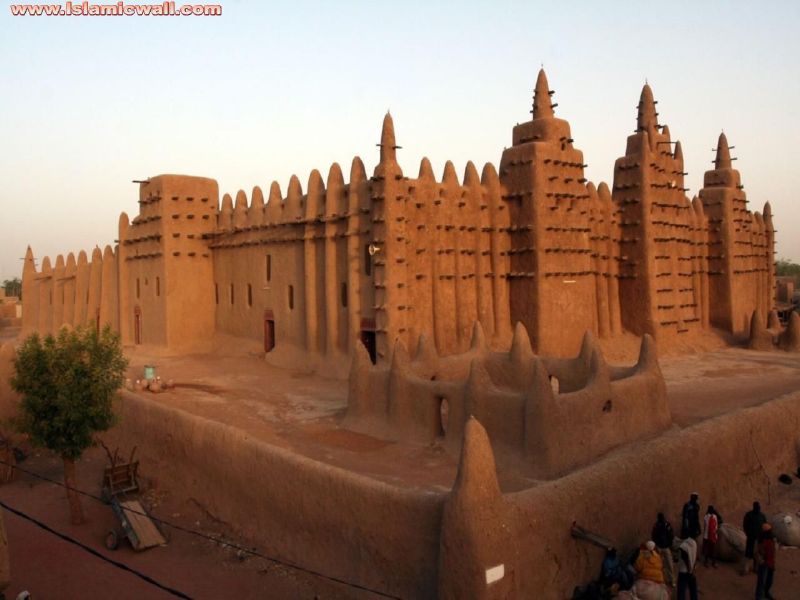
· Map of Western Sudan (1375) in Bulliet · Original footage of salt mining in Northern Sahara from Nation Geographic · Photograph, Mosque of Jenna |
|
|||||||||||||||||||||
|
In Class: |
Nystrom Map
Deconstruct Al-Bakir |
Homework: |
Read Bulliet pages: |
382-394 |
|
||||||||||||||||||||
|
&/or: |
http://www.whshumanitiescohort.org/weblessondayseventy_files/frame.htm |
|
|||||||||||||||||||||||
|
Flashcards: |
· Swahili · Medieval Indian Ocean Basin Trade · Spices · Ships navigation in the Indian Ocean · Swahili Coast |
|
|||||||||||||||||||||||
|
Turn in next class: |
· |
|
|||||||||||||||||||||||
|
NOTE: disregard all assignment instructions in web lessons |
|
||||||||||||||||||||||||
|
Day: |
37 |
Dates: |
600 - 1450 |
K.C. #: |
3.1.I.A, 3.3.I.C |
|
|||||||||||||||||||
|
Key Concept: |
Improved transportation technologies and commercial practices led to an increased volume of trade, and expanded geographical range of trade routes Innovations stimulated agricultural and industrial production in many regions |
|
|||||||||||||||||||||||
|
Our Topic: |
Indian Ocean Maritime System |
Required Pre-Reading: |
Bulliet: |
382-394 |
|
||||||||||||||||||||
|
Essential Question(s): |
How is AP Theme 4 (Economic Systems) related to AP Theme 2 (Interaction of Cultures) and how is this process evident in the Period 2 & 3 (Classical and Medieval)? |
|
|||||||||||||||||||||||
|
Material to Master: |
· Existing trade routes flourished and promoted the growth of powerful new trading cities · Chinese, Persian, and Indian artisans and merchants expanded their production of textiles and porcelains for export |
Documents to be utilized: |
· |
|
|||||||||||||||||||||
|
In Class: |
Comparative Essay: Answer today’s EQ by comparing the Trans-Saharan and Indian Ocean Trade routes over time. |
Homework: |
Read Bulliet pages: |
380-381 |
|
||||||||||||||||||||
|
&/or: |
|
|
|||||||||||||||||||||||
|
Flashcards: |
· Ibn Battuta |
|
|||||||||||||||||||||||
|
Turn in next class: |
· Questions for Analysis |
|
|||||||||||||||||||||||
|
NOTE: disregard all assignment instructions in web lessons |
|
||||||||||||||||||||||||
|
Day: |
38 |
Dates: |
600 - 1450 |
K.C. #: |
3.1.III.B-D |
|
|||||||||||||||||||
|
Key Concept: |
Cross-cultural exchanges were fostered by the intensification of existing, or the creation of new, networks of trade and communication. |
|
|||||||||||||||||||||||
|
Our Topic: |
Ibn Battuta |
Required Pre-Reading: |
Bulliet: |
380-381 |
|
||||||||||||||||||||
|
Essential Question(s): |
What can we learn about the Medieval World from travelers like Ibn Battuta? |
|
|||||||||||||||||||||||
|
Material to Master: |
· In key places along important trade routes, merchants set up diasporic communities, like along the East Coast of Africa, where they introduced their cultural traditions into the indigenous · The writings of certain interregional travelers illustrate both the extent and limitations of intercultural knowledge and understanding · Increased cross-cultural interactions resulted in the diffusion of literary, artistic, and cultural traditions |
Documents to be utilized: |
· The Travels of Ibn Battuta in the Near East, Asia, and Africa (1325-1354) |
|
|||||||||||||||||||||
|
In Class: |
Turn in questions for analysis
On the Road with Ibn Battuta, students utilize primary source documents from Ibn Battuta to write their own travel log of Medieval World. |
Homework: |
Read Bulliet pages: |
253-254, 258-267, 400-402, 596, optional video, optional video |
|
||||||||||||||||||||
|
&/or: |
http://www.whshumanitiescohort.org/weblessondayfortyeight_files/frame.htm http://www.whshumanitiescohort.org/weblessondayfortyseven_files/frame.htm |
|
|||||||||||||||||||||||
|
Flashcards: |
· Medieval Europe · Feudalism · Invasions of Medieval Europe · Papacy · The Black Death · Wat Tyler · The Little Ice Age (be sure to note the dates!) · Medieval European Agriculture |
|
|||||||||||||||||||||||
|
Turn in next class: |
· |
|
|||||||||||||||||||||||
|
NOTE: disregard all assignment instructions in web lessons |
|
||||||||||||||||||||||||
|
Day: |
39 |
Dates: |
600 - 1450 |
K.C. #: |
3.3.III.C, 3.2.I.B, 3.3.II.A |
|
|||||||||||||||||||
|
Key Concept: |
Empires collapsed and were reconstituted; in some regions new states emerged. Despite significant continuities in social structure and in methods of production, there were also some important changes in labor management and in the effects of religious conversion on gender and family life. The fate of cities varied greatly, with periods of significant decline in Europe and growth in other areas. |
|
|||||||||||||||||||||||
|
Our Topic: |
Medieval Europe |
Required Pre-Reading: |
Bulliet: |
253-254, 258-267, 400-402, 596 |
|
||||||||||||||||||||
|
Essential Question(s): |
Is “Dark Age” a good name for Europe in this period? |
|
|||||||||||||||||||||||
|
Material to Master: |
· As in the previous period, there were many forms of labor organization like peasant agriculture and serfdom · In some places, new forms of governance emerged, including decentralized government (feudalism) in Europe and Japan · Multiple factors contributed to the decline of urban areas in this period including: invasions, disease, decline in agricultural production, and climate change |
Documents to be utilized: |
· |
|
|||||||||||||||||||||
|
In Class: |
Simulation of Feudalism |
Homework: |
Read Bulliet pages: |
Read this consider POV as you read. |
|
||||||||||||||||||||
|
&: |
http://www.whshumanitiescohort.org/weblessondayfiftyfive_files/frame.htm |
|
|||||||||||||||||||||||
|
Flashcards: |
· Japanese Feudalism |
|
|||||||||||||||||||||||
|
Turn in next class: |
· Essay: Compare the economic and cultural impact of the trans-Saharan and Indian Ocean trade routes from the first century CE to sixteenth century CE. Write this essay in 40 minutes from memory -- due in class Hoge's tomorrow. |
|
|||||||||||||||||||||||
|
|
|||||||||||||||||||||||||
|
Day: |
40 |
Dates: |
600 - 1450 |
K.C. #: |
3.3.III.C, 3.2.I.B, 3.3.II.A |
|
|||||||||||||||||||
|
Key Concept: |
Empires collapsed and were reconstituted; in some regions new states emerged. Despite significant continuities in social structure and in methods of production, there were also some important changes in labor management and in the effects of religious conversion on gender and family life. The fate of cities varied greatly, with periods of significant decline in Europe and growth in other areas. |
|
|||||||||||||||||||||||
|
Our Topic: |
Medieval Europe and Japan |
Required Pre-Reading: |
Bulliet: |
|
|
||||||||||||||||||||
|
Essential Question(s): |
How was Medieval Europe similar to Japan? |
|
|||||||||||||||||||||||
|
Material to Master: |
· As in the previous period, there were many forms of labor organization like peasant agriculture and serfdom · In some places, new forms of governance emerged, including decentralized government (feudalism) in Europe and Japan · Multiple factors contributed to the decline of urban areas in this period including: invasions, disease, decline in agricultural production, and climate change |
Documents to be utilized: |
· Comparative essay of Japanese and English Feudalism from Hyperhistory.net which espouses a A Christian worldview of history · Plague in Art: Black Death 14th Century & Mass Burial, Plague, Belgium 1349 |
|
|||||||||||||||||||||
|
In Class: |
Discussion of Reading, in partners students complete a venn diagram comparing Europe to Japan, |
Homework: |
Read Bulliet pages: |
254-257 |
|
||||||||||||||||||||
|
&/or: |
http://www.whshumanitiescohort.org/weblessondayfortysix_files/frame.htm |
|
|||||||||||||||||||||||
|
Flashcards: |
· |
|
|||||||||||||||||||||||
|
Turn in next class: |
· |
|
|||||||||||||||||||||||
|
NOTE: disregard all assignment instructions in web lessons |
|
||||||||||||||||||||||||
|
Day: |
41 |
Dates: |
600-1450 |
K.C. #: |
3.2.I.A, 3.3.III.C |
|
|||||||||||||||||||
|
Key Concept: |
Empires collapsed and were reconstituted; in some regions new states emerged. Despite significant continuities in social structure and in methods of production, there were also some important changes in labor management and in the effects of religious conversion on gender and family life. |
|
|||||||||||||||||||||||
|
Our Topic: |
Byzantine Empire, Orthodox Christianity |
Required Pre-Reading: |
Bulliet: |
254-257 |
|
||||||||||||||||||||
|
Essential Question(s): |
What were the changes and continuities as Rome transitioned into the Byzantine Empire? |
|
|||||||||||||||||||||||
|
Material to Master: |
· Following the collapse of empires, most reconstituted government including the Byzantine Empire combined traditional sources of power and legitimacy with innovations better suited to the current circumstances.
|
Documents to be utilized: |
|
||||||||||||||||||||||
|
In Class: |
Lecture, on split of Christianity Students read Corpus Iuris Civilis, and identify more examples to support the Material to Master |
Homework: |
Read Bulliet pages: |
|
|||||||||||||||||||||
|
&/or: |
|
|
|||||||||||||||||||||||
|
Flashcards: |
· Byzantine Peasants |
|
|||||||||||||||||||||||
|
Turn in next class: |
· |
|
|||||||||||||||||||||||
|
NOTE: disregard all assignment instructions in web lessons |
|
||||||||||||||||||||||||
|
Day: |
42 |
Dates: |
600-1450 |
K.C. #: |
3.2.I.A, 3.3.III.C |
|
|||||||||||||||||||
|
Key Concept: |
Empires collapsed and were reconstituted; in some regions new states emerged. Despite significant continuities in social structure and in methods of production, there were also some important changes in labor management and in the effects of religious conversion on gender and family life. |
|
|||||||||||||||||||||||
|
Our Topic: |
Byzantine Empire, Orthodox Christianity |
Required Pre-Reading: |
Article |
|
|||||||||||||||||||||
|
Essential Question(s): |
What were the changes and continuities as Rome transitioned into the Byzantine Empire? |
|
|||||||||||||||||||||||
|
Material to Master: |
· Following the collapse of empires, most reconstituted government including the Byzantine Empire combined traditional sources of power and legitimacy with innovations better suited to the current circumstances. · Free peasants resisted attempts to raise dues and taxes by staging revolts. |
Documents to be utilized: |
· |
|
|||||||||||||||||||||
|
In Class: |
Complete assignment from yesterday |
Homework: |
Read Bulliet pages: |
274-277, optional video (I don't totally agree with some of the conclusions on the impact and motivations of the Crusades made in this video) |
|
||||||||||||||||||||
|
&: |
|
||||||||||||||||||||||||
|
Flashcards: |
· The Crusades · Crusader States |
|
|||||||||||||||||||||||
|
Turn in next class: |
· Prepare for a Socratic seminar -Guiding Questions - How does the author believe the Crusades are typically presented? As a good thing or bad thing? -Why does he believe this? -How is the teaching of history shaped by current events? -What might the Crusades be presented in the future? |
|
|||||||||||||||||||||||
|
NOTE: disregard all assignment instructions in web lessons |
|
||||||||||||||||||||||||
|
Day: |
43 |
Dates: |
1095-1204 |
K.C. #: |
3.2.II |
|
|||||||||||||||||||
|
Key Concept: |
Interregional contacts and conflicts between states and empires encouraged significant technological and cultural transfer. |
|
|||||||||||||||||||||||
|
Our Topic: |
The Crusades |
Required Pre-Reading: |
Bulliet: |
274-277 |
|
||||||||||||||||||||
|
Essential Question(s): |
How did the Europeans befit from the Crusades? |
|
|||||||||||||||||||||||
|
Material to Master: |
· European contact with the Muslim World during the crusades fostered technological and cultural transfer. |
Documents to be utilized: |
|
||||||||||||||||||||||
|
In Class: |
Socratic seminar -Guiding Questions - How does the author believe the Crusades are typically presented? As a good thing or bad thing? -Why does he believe this? -How is the teaching of history shaped by current events? -What might the Crusades be presented in the future?
|
Homework: |
Read Bulliet pages: |
|
|
||||||||||||||||||||
|
&/or: |
|
|
|||||||||||||||||||||||
|
Flashcards: |
· |
|
|||||||||||||||||||||||
|
Turn in next class: |
· |
|
|||||||||||||||||||||||
|
NOTE: disregard all assignment instructions in web lessons |
|
||||||||||||||||||||||||
|
Day: |
44 |
Dates: |
|
K.C. #: |
|
|
|||||||||||||||||||
|
AP Theme: |
Theme 2: Development and Interactions of Cultures |
|
|||||||||||||||||||||||
|
Our Topic: |
The Crusades’ Impact |
Required Pre-Reading: |
Bulliet: |
|
|
||||||||||||||||||||
|
Essential Question(s): |
What do other historians think about the importance of the Crusades? |
|
|||||||||||||||||||||||
|
Skill to Master: |
· Historical Interpretation and Synthesis, critique diverse historical interpretations |
Documents to be utilized: |
· Old World Encounters by Jerry Bentley |
|
|||||||||||||||||||||
|
In Class: |
Students will assess the arguments on the consequences of the Cross Cultural Encounters brought about by the Crusades by Jerry Bentley in Old World Encounters: Cross-Cultural Contacts and Exchanges in Pre-Modern Times (Oxford 1993) |
Homework: |
Read Bulliet pages: |
273-274, 404-407, 433-434 |
|
||||||||||||||||||||
|
&/or: |
|
|
|||||||||||||||||||||||
|
Flashcards: |
· Genoa · City-State · Italian Trading States · Mediterranean Trade |
|
|||||||||||||||||||||||
|
Turn in next class: |
· |
|
|||||||||||||||||||||||
|
NOTE: disregard all assignment instructions in web lessons |
|
||||||||||||||||||||||||
|
Day: |
45 |
Dates: |
|
K.C. #: |
3.1.I.A,D 3.2.II.B |
|
|||||||||||||||||||
|
Key Concept: |
Improved transportation technologies and commercial practices led to an increased volume of trade, and expanded the geographical range of existing and newly active trade networks. Empires collapsed and were reconstituted; in some regions new state forms emerged. |
|
|||||||||||||||||||||||
|
Our Topic: |
Genoa |
Required Pre-Reading: |
Bulliet: |
273-274, 404-407, 433-434 |
|
||||||||||||||||||||
|
Essential Question(s): |
|
|
|||||||||||||||||||||||
|
Material to Master: |
· In some places, new forms of governance emerged, including city-states in Italy. · Existing trade routes flourished and promoted the growth of powerful new trading cities like in The Mediterranean Sea · Commercial growth was also facilitated by state practices, trading organizations, and state-sponsored commercial infrastructures like in Genoa. |
Documents to be utilized: |
· |
|
|||||||||||||||||||||
|
In Class: |
Use the web to find evidence to support each Material to Master above View CNN Millennium Movie Clip |
Homework: |
Read Bulliet pages: |
284-285, optional video |
|
||||||||||||||||||||
|
&/or: |
|
|
|||||||||||||||||||||||
|
Flashcards: |
· Sui Dynasty · Grand Canal |
|
|||||||||||||||||||||||
|
Turn in next class: |
· Prepare for Essay: Compare the process of government reconstitution by the Sui and Byzantines in the period from 600 to 1450 as they combined traditional sources of power and legitimacy with innovations better suited to the current circumstances. |
|
|||||||||||||||||||||||
|
NOTE: disregard all assignment instructions in web lessons |
|
||||||||||||||||||||||||
|
Day: |
46 |
Dates: |
581-618 |
K.C. #: |
3.1.I.D, 3.2.I.A |
|
|||||||||||||||||||
|
Key Concept: |
Improved transportation technologies and commercial practices led to an increased volume of trade, and expanded the geographical range of existing and newly active trade networks. Empires collapsed and were reconstituted; in some regions new state forms emerged. |
|
|||||||||||||||||||||||
|
Our Topic: |
Sui China |
Required Pre-Reading: |
Bulliet: |
284-285 |
|
||||||||||||||||||||
|
Essential Question(s): |
|
|
|||||||||||||||||||||||
|
Material to Master: |
· Commercial growth was also facilitated by state practices, trading organizations, and state-sponsored commercial infrastructures like the Grand Canal in China. · Following the collapse of empires, most reconstituted governments, including the Byzantine Empire and the Chinese dynasties — Sui, Tang, and Song — combined traditional sources of power and legitimacy with innovations better suited to the current circumstances. |
Documents to be utilized: |
· |
|
|||||||||||||||||||||
|
In Class: |
Comparative essay |
Homework: |
Read Bulliet pages: |
285-291 |
|
||||||||||||||||||||
|
&/or: |
http://www.whshumanitiescohort.org/weblessondayfiftytwo_files/frame.htm |
|
|||||||||||||||||||||||
|
Flashcards: |
· Tang Dynasty (include the role of Confucianism and Buddhism in the government over time) · Tang Cross-cultural exchange · Tang Economy · Chang’an |
|
|||||||||||||||||||||||
|
Turn in next class: |
· Read and compare the Tang Law Code to Prince Shotoku’s Constitution on pages 288 and 289 Questions for Analysis page 289 with specific evidence from the documents |
|
|||||||||||||||||||||||
|
NOTE: disregard all assignment instructions in web lessons |
|
||||||||||||||||||||||||
|
Day: |
47 |
Dates: |
618-907 |
K.C. #: |
3.1.I.D, 3.2.I.A, 3.3.I.C |
|
|||||||||||||||||||
|
Key Concept: |
Empires collapsed and were reconstituted; in some regions new state forms emerged. Interregional contacts and conflicts between states and empires encouraged significant technological and cultural transfers. Innovations stimulated agricultural and industrial production in many regions. |
|
|||||||||||||||||||||||
|
Our Topic: |
Tang China |
Required Pre-Reading: |
Bulliet: |
285-291 |
|
||||||||||||||||||||
|
Essential Question(s): |
Why was Tang China like the drink? |
|
|||||||||||||||||||||||
|
Material to Master: |
· Following the collapse of empires, most reconstituted governments, including the Tang — combined traditional sources of power and legitimacy, like patriarchy with innovations like the political use of Buddhism to better suited to the current circumstances. · There was technological and cultural transfers Between Tang China and the Abbasids · Chinese, Persian, and Indian artisans and merchants expanded their production of textiles and porcelains for export; industrial production of iron and steel expanded in China. |
Documents to be utilized: |
· Tang Law Code, in Bulliet · Seventeen Governing Principles: “Prince Shotoku’s Constitution” in Bulliet |
|
|||||||||||||||||||||
|
In Class: |
Turn in questions for analysis
|
Homework: |
Read Bulliet pages: |
291-298 |
|
||||||||||||||||||||
|
&/or: |
http://www.whshumanitiescohort.org/weblessondayfiftyfour_files/frame.htm |
|
|||||||||||||||||||||||
|
Flashcards: |
· Song Dynasty · Paper Money in China · Song Technology · Song Industry · Foot Binding |
|
|||||||||||||||||||||||
|
Turn in next class: |
· |
|
|||||||||||||||||||||||
|
NOTE: disregard all assignment instructions in web lessons |
|
||||||||||||||||||||||||
|
Day: |
48 |
Dates: |
|
K.C. #: |
|
|
|||||||||||||||||||
|
Key Concept: |
Improved transportation technologies and commercial practices led to an increased volume of trade, and expanded the geographical range of existing and newly active trade networks. Empires collapsed and were reconstituted; in some regions new state forms emerged. Innovations stimulated agricultural and industrial production in many regions. |
|
|||||||||||||||||||||||
|
Our Topic: |
Song China |
Required Pre-Reading: |
Bulliet: |
291-298 |
|
||||||||||||||||||||
|
Essential Question(s): |
How did Song technology change the world? |
|
|||||||||||||||||||||||
|
Material to Master: |
· Commercial growth was also facilitated by state practices, trading organizations, and state-sponsored commercial infrastructures like the paper money in China. · Following the collapse of empires, most reconstituted governments, including the Byzantine Empire and the Chinese dynasties — Sui, Tang, and Song — combined traditional sources of power and legitimacy with innovations better suited to the current circumstances. · Chinese, Persian, and Indian artisans and merchants expanded their production of textiles and porcelains for export; industrial production of iron and steel expanded in China. |
Documents to be utilized: |
· |
|
|||||||||||||||||||||
|
In Class: |
Lecture with images of Song technology |
Homework: |
Read Bulliet pages: |
341-347 optional video |
|
||||||||||||||||||||
|
&/or: |
http://www.whshumanitiescohort.org/weblessondayfiftynine_files/frame.htm |
|
|||||||||||||||||||||||
|
Flashcards: |
· The Rise of the Mongols · Genghis Khan · Mongol Society · Mongol Government · Mongol Warfare |
|
|||||||||||||||||||||||
|
Turn in next class: |
· Read William of Rubruck’s account of Mongols, Ata-Malik Juvaini’s The History of the World-Conqueror, and Life and Hu Szu-hui’s Proper and Essential Things for the Emperor’s Food and Drink compare their points of view by answering for analysis on page 347 |
|
|||||||||||||||||||||||
|
NOTE: disregard all assignment instructions in web lessons |
|
||||||||||||||||||||||||
|
Day: |
49 |
Dates: |
1200-1260 |
K.C. #: |
3.1.II.A, 3.2.I.B |
|
|||||||||||||||||||
|
Key Concept: |
The movement of peoples caused environmental and linguistic effects. Empires collapsed and were reconstituted; in some regions new state forms emerged. |
|
|||||||||||||||||||||||
|
Our Topic: |
Mongols |
Required Pre-Reading: |
Bulliet: |
341-347 |
|
||||||||||||||||||||
|
Essential Question(s): |
Why are the Mongols considered the most important people in history? |
|
|||||||||||||||||||||||
|
Material to Master: |
· The expansion and intensification of long-distance trade routes often depended on environmental knowledge and technological adaptations to it like The way Central Asian pastoral groups used horses to travel in the steppes · In some places, new forms of governance emerged, including those developed in various Mongol Khanates |
Documents to be utilized: |
· William of Rubruck’s account of Mongols in Bulliet · Ata-Malik Juvaini’s The History of the World-Conqueror, and Life in Bulliet · Hu Szu-hui’s Proper and Essential Things for the Emperor’s Food and Drink in Bulliet |
|
|||||||||||||||||||||
|
In Class: |
Turn in questions for Analysis
Nystrom Map: Basic History of the Mongols, create a timeline for notebook.
|
Homework: |
Read Bulliet pages: |
348-352 optional video |
|
||||||||||||||||||||
|
&/or: |
http://www.whshumanitiescohort.org/weblessondaysixty_files/frame.htm |
|
|||||||||||||||||||||||
|
Flashcards: |
· Il-khan · Bubonic Plague · Mongols & Trade · Golden Horde · Intellectual Development of the Il-khan |
|
|||||||||||||||||||||||
|
Turn in next class: |
· |
|
|||||||||||||||||||||||
|
|
|||||||||||||||||||||||||
|
Day: |
50 |
Dates: |
1200-1500 |
K.C. #: |
3.1.II.A, 3.2.I.B |
|
|||||||||||||||||||
|
Key Concept: |
The movement of peoples caused environmental and linguistic effects. Empires collapsed and were reconstituted; in some regions new state forms emerged. |
|
|||||||||||||||||||||||
|
Our Topic: |
Mongols |
Required Pre-Reading: |
Bulliet: |
348-352 |
|
||||||||||||||||||||
|
Essential Question(s): |
|
|
|||||||||||||||||||||||
|
Material to Master: |
· The expansion and intensification of long-distance trade routes often depended on environmental knowledge and technological adaptations to it like The way Central Asian pastoral groups used horses to travel in the steppes · In some places, new forms of governance emerged, including those developed in various Mongol Khanates |
Documents to be utilized: |
· |
|
|||||||||||||||||||||
|
In Class: |
Complete Picture Document Jigsaw |
Homework: |
Read Bulliet pages: |
353-358 |
|
||||||||||||||||||||
|
&/or: |
http://www.whshumanitiescohort.org/weblessondaysixtyone_files/frame.htm http://www.whshumanitiescohort.org/weblessondaysixtytwo_files/frame.htm |
|
|||||||||||||||||||||||
|
Flashcards: |
· Continue Golden Horde from yesterday · Mongol Yoke · Political Consequences of Golden Horde · Yuan China Society · Yuan Government · Yuan Economy |
|
|||||||||||||||||||||||
|
Turn in next class: |
· |
|
|||||||||||||||||||||||
|
NOTE: disregard all assignment instructions in web lessons |
|
||||||||||||||||||||||||
|
Day: |
51 |
Dates: |
1200-1500 |
K.C. #: |
3.1.III.E, 3.2.II |
|
|||||||||||||||||||
|
Key Concept: |
Cross-cultural exchanges were fostered by the intensification of existing, or the creation of new, networks of trade and communication. Interregional contacts and conflicts between states and empires encouraged significant technological and cultural transfers. |
|
|||||||||||||||||||||||
|
Our Topic: |
Mongols, impact |
Required Pre-Reading: |
Bulliet: |
353-358 |
|
||||||||||||||||||||
|
Essential Question(s): |
|
|
|||||||||||||||||||||||
|
Material to Master: |
· Increased cross-cultural interactions also resulted in the diffusion of scientific and technological traditions like The spread of printing and gunpowder technologies from East Asia into the Islamic empires and Western Europe. · Interregional contacts and conflicts between states and empires encouraged significant technological and cultural transfers across the Mongol empires |
Documents to be utilized: |
· |
|
|||||||||||||||||||||
|
In Class: |
Jig Saw presentations |
Homework: |
|
|
|||||||||||||||||||||
|
&/or: |
|
|
|||||||||||||||||||||||
|
Flashcards: |
|
||||||||||||||||||||||||
|
Turn in next class: |
· Prepare for tomorrows debate by reading this and this Positions: - The Mongols fostered innovation and development in the areas the controlled -The Mongols stifled growth, which slowed development of the areas that they controlled |
|
|||||||||||||||||||||||
|
NOTE: disregard all assignment instructions in web lessons |
|
||||||||||||||||||||||||
|
Day: |
52 |
Dates: |
|
K.C. #: |
3.1.II.E, 3.2.II |
|
|||||||||||||||||||
|
Key Concept: |
Cross-cultural exchanges were fostered by the intensification of existing, or the creation of new, networks of trade and communication. Interregional contacts and conflicts between states and empires encouraged significant technological and cultural transfers. |
|
|||||||||||||||||||||||
|
Our Topic: |
Mongol Impact |
Required Pre-Reading: |
Bulliet: |
359-368 |
|
||||||||||||||||||||
|
Essential Question(s): |
Where the Mongols good for the people they conquered? |
|
|||||||||||||||||||||||
|
Material to Master: |
· Increased cross-cultural interactions also resulted in the diffusion of scientific and technological traditions like The spread of printing and gunpowder technologies from East Asia into the Islamic empires and Western Europe. · Interregional contacts and conflicts between states and empires encouraged significant technological and cultural transfers across the Mongol empires |
Documents to be utilized: |
· |
|
|||||||||||||||||||||
|
In Class: |
Students evaluate the Mongol Yoke Thesis in a Class Room Debate |
Homework: |
Read Bulliet pages: |
359-368 |
|
||||||||||||||||||||
|
&/or: |
http://www.whshumanitiescohort.org/weblessondaysixtythree_files/frame.htm |
|
|||||||||||||||||||||||
|
Flashcards: |
· Ming China · Zheng He · Changes from Mongols to Ming · Gunpowder (everything books says about it) · Moveable Type · Ming Agriculture · Mongol impact on Korea and Japan · Zen Buddhism |
|
|||||||||||||||||||||||
|
Turn in next class: |
· |
|
|||||||||||||||||||||||
|
NOTE: disregard all assignment instructions in web lessons |
|
||||||||||||||||||||||||
|
Day: |
53 |
Dates: |
1200-1500 |
K.C. #: |
3.3.I.A&B, 3.3.II.A&B |
|
|||||||||||||||||||
|
Key Concept: |
Innovations stimulated agricultural and industrial production in many regions. The fate of cities varied greatly, with periods of significant decline, and with periods of increased urbanization buoyed by rising productivity and expanding trade networks. Interregional contacts and conflicts between states and empires encouraged significant technological and cultural transfers. |
|
|||||||||||||||||||||||
|
Our Topic: |
Decline of the Mongols and Ming China |
Required Pre-Reading: |
Bulliet: |
399-412 |
|
||||||||||||||||||||
|
Essential Question(s): |
How did Europe rise out of the Dark Age? |
|
|||||||||||||||||||||||
|
Material to Master: |
· Increased cross-cultural interactions also resulted in the diffusion of scientific and technological traditions like The spread of printing and gunpowder technologies from East Asia into the Islamic empires and Western Europe. · Interregional contacts and conflicts between states and empires encouraged significant technological and cultural transfers across the Mongol empires · Official Chinese maritime activity expanded into the Indian Ocean region with the naval voyages led by Ming Admiral Zheng He, which enhanced Chinese prestige. |
Documents to be utilized: |
· |
|
|||||||||||||||||||||
|
In Class: |
Wrap up Mongols -regional comparisons -the silk road
Ming China -cutting off Central Asia and turning to the sea (video clip) - |
Homework: |
Read Bulliet pages: |
399-412; 454-455 |
|
||||||||||||||||||||
|
&/or: |
http://www.whshumanitiescohort.org/weblessondayseventytwo_files/frame.htm http://www.whshumanitiescohort.org/weblessondayseventyone_files/frame.htm |
|
|||||||||||||||||||||||
|
Flashcards: |
· Revival of Medieval Western Europe · Bubonic Plague (continue of other card) · Horse Collar · Guilds · Urban Revival · Climate in the 12th & 13th |
|
|||||||||||||||||||||||
|
Turn in next class: |
· |
|
|||||||||||||||||||||||
|
NOTE: disregard all assignment instructions in web lessons |
|
||||||||||||||||||||||||
|
Day: |
54 |
Dates: |
1200-1500 |
K.C. #: |
3.3.I.A&B, 3.3.II.A&B |
|
|||||||||||||||||||
|
Key Concept: |
Innovations stimulated agricultural and industrial production in many regions. The fate of cities varied greatly, with periods of significant decline, and with periods of increased urbanization buoyed by rising productivity and expanding trade networks. |
|
|||||||||||||||||||||||
|
Our Topic: |
Europe’s rise out of the “Dark Age” |
Required Pre-Reading: |
Bulliet: |
454-455 |
|
||||||||||||||||||||
|
Essential Question(s): |
How did Europe catch up? |
|
|||||||||||||||||||||||
|
Material to Master: |
· Agricultural production increased significantly due to technological innovations like the horse collar. · In response to increasing demand in Afro-Eurasia for foreign luxury goods, crops were transported from their indigenous homelands to equivalent climates in other regions. · Multiple factors contributed to urban revival including The end of invasions, The availability of safe and reliable transport, The rise of commerce and the warmer temperatures between 800, and 1300, Increased agricultural productivity and subsequent rising population, Greater availability of labor also contributed to urban growth including guilds · Free peasants resisted attempts to raise dues and taxes by staging revolts. |
Documents to be utilized: |
· |
|
|||||||||||||||||||||
|
In Class: |
Complete concept web of factors leading to Europe's recovery |
Homework: |
Read Bulliet pages: |
|
|
||||||||||||||||||||
|
&/or: |
|
|
|||||||||||||||||||||||
|
Flashcards: |
· |
|
|||||||||||||||||||||||
|
Turn in next class: |
· |
|
|||||||||||||||||||||||
|
NOTE: disregard all assignment instructions in web lessons |
|
||||||||||||||||||||||||
|
Day: |
55 |
Dates: |
|
K.C. #: |
DBQ |
|
|||||||||||||||||||
|
AP Theme: |
|
|
|||||||||||||||||||||||
|
Essay Question: |
|
|
|||||||||||||||||||||||
|
Skill to Master: |
· DBQ |
Documents to be utilized: |
· |
|
|||||||||||||||||||||
|
In Class: |
Day in the Archives Activity, working in groups students use original documents to write the history of a real person |
Homework: |
Read Bulliet pages: |
|
|
||||||||||||||||||||
|
&/or: |
|
|
|||||||||||||||||||||||
|
Flashcards: |
· |
|
|||||||||||||||||||||||
|
Turn in next class: |
· |
|
|||||||||||||||||||||||
|
NOTE: disregard all assignment instructions in web lessons |
|
||||||||||||||||||||||||
|
Day: |
56 |
Dates: |
|
K.C. #: |
DBQ |
|
|||||||||||||||||||
|
AP Theme: |
|
|
|||||||||||||||||||||||
|
Essay Question: |
|
|
|||||||||||||||||||||||
|
Skills to Master: |
· DBQ |
Documents to be utilized: |
· |
|
|||||||||||||||||||||
|
In Class: |
Scoring the DBQ |
Homework: |
Read Bulliet pages: |
308-315 |
|
||||||||||||||||||||
|
&/or: |
http://www.whshumanitiescohort.org/weblessondayfiftysix_files/frame.htm |
|
|||||||||||||||||||||||
|
Flashcards: |
· Mayan Government · Mayan Trade · Mayan Society |
|
|||||||||||||||||||||||
|
Turn in next class: |
· |
|
|||||||||||||||||||||||
|
NOTE: disregard all assignment instructions in web lessons |
|
||||||||||||||||||||||||
|
Day: |
57 |
Dates: |
200-900 |
K.C. #: |
3.2.1.D, 3.1.I.B |
|
|||||||||||||||||||
|
Key Concept: |
Empires collapsed and were reconstituted; in some regions new state forms emerged. Improved transportation technologies and commercial practices led to an increased volume of trade, and expanded the geographical range of existing and newly active trade networks. |
|
|||||||||||||||||||||||
|
Our Topic: |
Maya |
Required Pre-Reading: |
Bulliet: |
308-315 |
|
||||||||||||||||||||
|
Essential Question(s): |
How were the Maya typical of larger global patterns? |
|
|||||||||||||||||||||||
|
Material to Master: |
· In the Americas, as in Afro-Eurasia, state systems expanded in scope and reach: Networks of city-states flourished in the Maya region · New trade routes centering on Mesoamerica and the Andes developed. |
Documents to be utilized: |
· |
|
|||||||||||||||||||||
|
In Class: |
Quick lecture on Maya -- Start Aztec DBQ |
Homework: |
Read Bulliet pages: |
315-319 |
|
||||||||||||||||||||
|
&/or: |
http://www.whshumanitiescohort.org/weblessondayfiftyseven_files/frame.htm |
|
|||||||||||||||||||||||
|
Flashcards: |
· Mexica · Mexica Government · Mexica Society · Mexica Economy |
|
|||||||||||||||||||||||
|
Turn in next class: |
· |
|
|||||||||||||||||||||||
|
NOTE: disregard all assignment instructions in web lessons |
|
||||||||||||||||||||||||
|
Day: |
58 |
Dates: |
900-1500 |
K.C. #: |
3.2.1.D, 3.1.I.B |
|
|||||||||||||||||||
|
Key Concept: |
Empires collapsed and were reconstituted; in some regions new state forms emerged. Improved transportation technologies and commercial practices led to an increased volume of trade, and expanded the geographical range of existing and newly active trade networks. |
|
|||||||||||||||||||||||
|
Our Topic: |
Mexica (AKA Aztecs) |
Required Pre-Reading: |
Bulliet: |
315-319 |
|
||||||||||||||||||||
|
Essential Question(s): |
How should the Aztecs be remembered? |
|
|||||||||||||||||||||||
|
Material to Master: |
· In the Americas, as in Afro-Eurasia, state systems expanded in scope and reach: Networks of city-states flourished in the Maya region and, at the end of this period, imperial systems were created by the Mexica (“Aztecs”) and Inca. · New trade routes centering on Mesoamerica and the Andes developed. |
Documents to be utilized: |
· |
|
|||||||||||||||||||||
|
In Class: |
Students guided through the steps in writing a DBQ |
Homework: |
Read Bulliet pages: |
323-331 |
|
||||||||||||||||||||
|
&/or: |
|
|
|||||||||||||||||||||||
|
Flashcards: |
· Inca Empire · Ayllu · Mita · Trade in the Andes |
|
|||||||||||||||||||||||
|
Turn in next class: |
· |
|
|||||||||||||||||||||||
|
NOTE: disregard all assignment instructions in web lessons |
|
||||||||||||||||||||||||
|
Day: |
59 |
Dates: |
|
K.C. #: |
3.2.1.D, 3.1.I.B |
|
|||||||||||||||||||
|
Key Concept: |
Empires collapsed and were reconstituted; in some regions new state forms emerged. Improved transportation technologies and commercial practices led to an increased volume of trade, and expanded the geographical range of existing and newly active trade networks. |
|
|||||||||||||||||||||||
|
Our Topic: |
Inca |
Required Pre-Reading: |
Bulliet: |
323-331 |
|
||||||||||||||||||||
|
Essential Question(s): |
How were the Inca unique? |
|
|||||||||||||||||||||||
|
Material to Master: |
· In the Americas, as in Afro-Eurasia, state systems expanded in scope and reach: Networks of city-states flourished in the Maya region and, at the end of this period, imperial systems were created by the Mexica (“Aztecs”) and Inca. · New trade routes centering on Mesoamerica and the Andes developed. |
Documents to be utilized: |
· |
|
|||||||||||||||||||||
|
In Class: |
Quick discussion of Inca Continue with Aztec DBQ |
Homework: |
|
|
|
||||||||||||||||||||
|
AP Period 3 Project Spoken Word Directions: write a poem in which you summarize the five patterns that you think are most important in the Medieval Period. Your poem must… � Include five broad patterns that summarize the history of the Medieval Period (10 pts each) � Include specific historical evidence to support the patterns (5 pts each) � Be less than 400 words (5 pts) � Rhyme (5 pts) � Presented in class on Thursday in a dramatic fashion (5 pts) � Be prepared to defend the patterns and evidence you choose (10 pts)
Due on the Day 63 |
|
||||||||||||||||||||||||
|
Flashcards: |
· |
|
|||||||||||||||||||||||
|
Turn in next class: |
· |
|
|||||||||||||||||||||||
|
|
|||||||||||||||||||||||||
|
Day: |
60 |
Dates: |
|
K.C. #: |
DBQ |
|
|||||||||||||||||||
|
Skill to Master: |
· Crafting historical arguments from historical evidence · Historical Synthesis |
Documents to be utilized: |
· |
|
|||||||||||||||||||||
|
In Class: |
DBQ -- Timed |
Homework: |
Read Bulliet pages: |
|
|
||||||||||||||||||||
|
&/or: |
|
|
|||||||||||||||||||||||
|
Flashcards: |
· |
|
|||||||||||||||||||||||
|
Turn in next class: |
· Prepare of Socratic Seminar on The Making of Economic Society by Robert Heilbroner & William Milberg, Chapter 2 & 3 (Prentice Hall 1998) pg 23-39 Guiding questions: Was the economic/ social system of Europe fair from the point of view of those who participated in it? Was this system typical of the world in the Medieval Period? |
|
|||||||||||||||||||||||
|
NOTE: disregard all assignment instructions in web lessons |
|
||||||||||||||||||||||||
|
Day: |
61 |
Dates: |
600-1450 |
K.C. #: |
3.3.III.A&C |
|
|||||||||||||||||||
|
Key Concept: |
Despite significant continuities in social structures and in methods of production, there were also some important changes in labor management and in the effect of religious conversion on gender relations and family life. |
|
|||||||||||||||||||||||
|
Our Topic: |
Social Structure in the Medieval World |
Required Pre-Reading: |
Bulliet: |
|
|
||||||||||||||||||||
|
Essential Question(s): |
What types of social patterns dominated in the Medieval Period? |
|
|||||||||||||||||||||||
|
Material to Master: |
· As in the previous period, there were many forms of labor organization like Free peasant agriculture, Nomadic Pastoralism, Craft production and guild organization, Various forms of coerced and unfree labor, Government-imposed labor taxes, Military obligations · New forms of coerced labor appeared, including serfdom in Europe and Japan and the elaboration of the mit’a in the Inca Empire. Free peasants resisted attempts to raise dues and taxes by staging revolts. The demand for slaves for both military and domestic purposes increased, particularly in central Eurasia, parts of Africa, and the eastern Mediterranean. |
Documents to be utilized: |
· The Making of Economic Society by Robert Heilbroner & William Milberg, Chapter 2 & 3 (Prentice Hall 1998) pg 23-39 |
|
|||||||||||||||||||||
|
In Class: |
Students will evaluate Robert Heilbroner & William Milberg’s argument about the origins of the modern economy in The Making of Economic Society
Socratic Seminar on The Making of Economic Society by Robert Heilbroner & William Milberg, Chapter 2 & 3 (Prentice Hall 1998) pg 23-39 Guiding questions: Was the economic/ social system of Europe fair from the point of view of those who participated in it? Was this system typical of the world in the Medieval Period?
|
Homework: |
Read Bulliet pages: |
|
|
||||||||||||||||||||
|
&/or: |
|
|
|||||||||||||||||||||||
|
Flashcards: |
· |
|
|||||||||||||||||||||||
|
Turn in next class: |
· |
|
|||||||||||||||||||||||
|
NOTE: disregard all assignment instructions in web lessons |
|
||||||||||||||||||||||||
|
Day: |
62 |
Dates: |
|
K.C. #: |
3.3.III.B&D |
|
|||||||||||||||||||
|
Key Concept: |
Despite significant continuities in social structures and in methods of production, there were also some important changes in labor management and in the effect of religious conversion on gender relations and family life. |
|
|||||||||||||||||||||||
|
Our Topic: |
Gender and Family in the Medieval World |
Required Pre-Reading: |
Bulliet: |
|
|
||||||||||||||||||||
|
Essential Question(s): |
What type of gender patterns dominated in this period? |
|
|||||||||||||||||||||||
|
Material to Master: |
· As in the previous period, social structures were shaped largely by class and caste hierarchies. Patriarchy persisted; however, in some areas, women exercised more power and influence, most notably among the Mongols and in West Africa, Japan, and Southeast Asia. · The diffusion of Buddhism, Christianity, Islam, and Neoconfucianism often led to significant changes in gender relations and family structure. |
Documents to be utilized: |
· |
|
|||||||||||||||||||||
|
In Class: |
Jig Saw Activity, in groups students create diagram's summarizing class and gender patterns in assigned regions of the world. They present to the class and we look for patterns. |
Homework: |
Read Bulliet pages: |
|
|
||||||||||||||||||||
|
&/or: |
|
|
|||||||||||||||||||||||
|
Flashcards: |
· |
|
|||||||||||||||||||||||
|
Turn in next class: |
· |
|
|||||||||||||||||||||||
|
NOTE: disregard all assignment instructions in web lessons |
|
||||||||||||||||||||||||
|
Day: |
63 |
Dates: |
600-1450 |
K.C. #: |
REVIEW FOR TEST |
|
|||||||||||||||||||
|
In Class: |
PROJECT DUE
Present and defend |
Homework: |
Read Bulliet pages: |
|
|
||||||||||||||||||||
|
|
|||||||||||||||||||||||||
|
|
|||||||||||||||||||||||||
|
Turn in next class: |
· Flashcards |
|
|||||||||||||||||||||||
|
NOTE: disregard all assignment instructions in web lessons |
|
||||||||||||||||||||||||
|
Day: |
64 |
Dates: |
|
K.C. #: |
TEST |
|
|||||||||||||||||||
|
In Class: |
TEST |
Homework: |
Read Bulliet pages: |
|
|
||||||||||||||||||||
|
&/or: |
|
|
|||||||||||||||||||||||
|
Flashcards: |
· |
|
|||||||||||||||||||||||
|
Turn in next class: |
· |
|
|||||||||||||||||||||||
Summer Reading: The History of the World in Six Glasses by Tom Standage Click Here for Essay Requirements
AP Deconstruction Guide (how to read historical documents)
Epic of Gilgamesh, Gilgamesh and Enkidu kill the Bull of Heaven
History or Hollywood Directions and Rubric
Course Guide (This includes the primary source readings for the class)
Links:
How the heck do I pronounce this stuff? Click here and find out.
Timeline of East Asian History
Need to review, click here for lessons and review questions.
More review questions, these are from your textbook
Click Here for a great summary of the River Valley Civilizations
Grolier Encyclopedia Click here for the log-in for this Grolier Online, to access this information you will need to enter a User Name which is hoge and a password which is Mr. Hoge's first name
Free Program Video Editing Software
Info on downloading MS Movie Maker
Click here for History or Hollywood Resource Center
Photo Gallery, Learning in Action
What are other AP World Teachers doing?
The Teachers of Springbrook High School
How do I address Point of View in a document?
Its easy...
A+V+W=POV
A= who is the author
V= is the document valuable or not
W=why is it valuable or not
Fellow World History Teachers are welcome to use any material found on this site for non-commercial personal and classroom use, if you have any questions you can contact Chad Hoge here.